





Embarking on a safari offers a thrilling opportunity to capture the beauty of wildlife in their natural habitat. Aspiring photographers may find it challenging to achieve the shots they envision. Utilising the right techniques can significantly enhance the quality of wildlife photographs, making the experience both rewarding and memorable.
Understanding animal behaviour is crucial for timing the perfect shot. Observing patterns, movements, and actions can lead to stunning photographs that tell a story. Mastering camera settings such as exposure, ISO, and shutter speed also plays a vital role in capturing sharp images in varying light conditions typical of safari landscapes.
Practising patience is essential in wildlife photography. Often, the best images come from waiting for the right moment, whether it’s an animal in the perfect pose or an unexpected interaction between species. By combining knowledge of wildlife, technical skills, and patience, anyone can produce remarkable photographs on safari.
Essential Equipment for Wildlife Photography
Selecting the appropriate equipment is crucial for wildlife photography, especially on an African safari. The right camera, lenses, and support gear can significantly enhance the quality of images captured in the field.
Choosing the Right Camera and Lenses
For wildlife photography, a DSLR or mirrorless camera with fast autofocus and high frame rates is ideal. A full-frame sensor provides better image quality, particularly in low light.
Lenses:
- A telephoto lens (200mm or longer) is essential for capturing distant subjects without disturbing them.
- Consider a long lens for greater reach, especially in vast landscapes.
- Fast lenses (f/2.8 or f/4) are preferable for shooting in varying light conditions.
Make sure to assess weight and portability, as these factors affect comfort during long safari days.
Monopods and Tripods for Stability
Stability is vital in wildlife photography to ensure sharp images. A monopod offers flexibility; it’s lightweight and easy to carry, allowing quick movement when wildlife is spotted.
When using heavier lenses, a tripod is advantageous, providing a stable base for prolonged shooting. Choose a sturdy model that can withstand outdoor conditions.
For safari travel, opting for a combination of both a monopod and a tripod can cater to various shooting scenarios while remaining manageable during transit.
Packing for Safari Photography
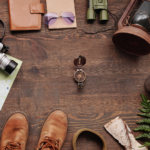
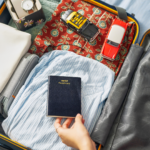
Packing wisely for a safari is crucial to ensure all necessary items are ready. Start with a camera bag that protects equipment from dust and moisture.
Include the following essentials:
- Extra batteries, as cold temperatures can drain them quickly.
- Memory cards of high capacity to store numerous images without frequent changes.
- A lens cleaning kit to keep optics in good condition throughout the journey.
Consider clothing that blends with the environment for stealth, as this can enhance opportunities for capturing candid wildlife moments.
Mastering Camera Settings and Techniques
Understanding camera settings is crucial for capturing wildlife effectively. Key settings include shutter speed, aperture, ISO, and autofocus modes. Mastering these elements allows for better exposure control and image clarity.
Understanding Shutter Speed and Motion
Shutter speed determines how long the camera sensor is exposed to light. A fast shutter speed (1/1000s or faster) is essential for freezing motion, making it ideal for animals in action. Conversely, a slower speed can create motion blur, which may work for capturing the essence of movement.
To identify the right shutter speed, consider the subject’s movement. For birds in flight, a speed of 1/2000s is often necessary. For larger animals, like elephants, a speed of 1/500s may suffice. Practising different speeds will enhance the photographer’s ability to capture dynamic scenes.
Optimal Aperture and Depth of Field
The aperture controls the amount of light entering the lens and influences the depth of field. A wide aperture (e.g., f/2.8) creates a shallow depth of field, isolating the subject from the background. This effect is useful in wildlife photography, where the background can often be distracting.
For landscapes or scenes with multiple subjects, a narrower aperture (e.g., f/8 or f/11) increases the depth of field, bringing more elements into focus. Frequent adjustments based on the desired effect will enhance overall image quality.
ISO and Exposure Management
ISO settings control the camera’s sensitivity to light. A lower ISO (e.g., 100-400) provides cleaner images in well-lit conditions, while a higher ISO (e.g., 800-3200) is beneficial in low-light situations, such as early mornings or late evenings.
Auto ISO can be advantageous, allowing the camera to adjust sensitivity dynamically based on lighting conditions. Regularly checking exposure levels ensures images are neither overexposed nor underexposed. Learning to balance ISO, shutter speed, and aperture will improve the photographer’s adaptability in different environments.
Making the Most of Autofocus and Burst Mode
Autofocus is crucial for capturing sharp images of fast-moving wildlife. Many cameras offer multiple autofocus modes, including continuous autofocus, which tracks moving subjects effectively. Familiarising oneself with these modes can enhance focus accuracy.
Burst mode allows for capturing a series of shots in quick succession, ensuring that key moments are not missed. This technique is useful for wildlife encounters, where animals may move unpredictably. Understanding how to set the camera for optimal burst rates will ensure the photographer captures the best possible images.
Composition for Captivating Safari Photos
Effective composition plays a crucial role in wildlife photography on safari. Understanding key techniques can enhance the impact of animal images and create visually engaging photographs.
Applying the Rule of Thirds
The Rule of Thirds is a fundamental principle of composition. It involves dividing the image into a grid of nine equal parts using two horizontal and two vertical lines.
Photographers should place the main subject—be it an animal, tree, or landscape—along these lines or at their intersections. This placement creates more dynamic and engaging images.
When photographing animals, centre them slightly off the centre to draw the viewer’s eye. For example, when capturing a lion, positioning it on one of the vertical lines can create a more intriguing image than placing it in the centre.
Using Light to Enhance Images
Light significantly influences photography, especially in a safari setting. The position of the sun can alter how animals appear and how colours pop. The golden hour, shortly after sunrise and before sunset, provides soft, warm light that enhances textures and tones.
Photographers should strive to position themselves so that the light illuminates the subject from the side or behind, creating depth and dimension.
Backlighting can also highlight silhouettes, adding a dramatic effect. Conversely, harsh midday sun may create unflattering shadows, making it essential to find shaded areas or wait for better lighting conditions.
Framing Wildlife in Natural Habitats
Framing helps contextualise wildlife within their environment, adding depth and narrative to images. Using natural elements like trees, grass, or rocks as frames can draw attention to the animal and highlight its habitat.
For instance, capturing a zebra through the tall grass introduces context and enhances the story being told.
Photographers should pay attention to environmental details that complement the subject, creating a cohesive and harmonious composition. This technique not only enriches the photograph but also conveys the beauty of wildlife in its natural surroundings.
Practical Safari Photography Tips and Field Considerations
In the field of wildlife photography during a safari, understanding the environment and how to interact with it is crucial. This section focuses on effective techniques that enhance the experience and improve photographic results.
Working with Safari Vehicles and Guides
Safari vehicles often provide optimal vantage points for photographing wildlife. It is essential to remain aware of the vehicle’s movement and the best shooting angles.
Positioning oneself slightly outside the vehicle can minimise reflections and create clearer images. Additionally, communicate with the guide; they can help locate animals and suggest ideal moments for capturing images.
Remaining still and quiet while waiting for animals to approach can yield remarkable opportunities. Use image stabilisation techniques to counteract any vibrations from the vehicle.
Photographing Birds and Elusive Wildlife
Birds often require specific techniques, as they can be unpredictable. A zoom lens is essential for capturing distant species.
Focus on their behaviours, such as feeding or interacting, to create engaging narratives within the photographs. Patience is crucial; observing and waiting for the right moment will produce more compelling shots.
Elusive wildlife, like leopards or hyenas, often emerge at dawn or dusk. Using lower light methods, such as adjusting ISO settings, helps maintain image quality.
Best Locations: Picnic Sites, Rest Camps, and Wildlife Hotspots
Choosing the right location can significantly impact photography success. Picnic sites and rest camps are often prime spots for capturing nearby wildlife.
These areas provide opportunities to photograph animals that frequent the vicinity in search of food or water.
Wildlife hotspots, such as waterholes or riverbanks, are crucial for sightings. Animals tend to congregate at these locations, creating diverse photographic possibilities.
Researching specific locations within Botswana enhances the probability of witnessing unique behaviours and interactions. Well-planned excursions around these areas can yield fruitful results for any wildlife photographer.