





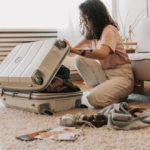

Long trips can be exciting but also challenging without proper planning. Knowing how to pack efficiently, stay comfortable, and manage your time can make a big difference in your travel experience.
The best travel hacks for long trips focus on saving space, reducing stress, and staying organised from start to finish. Practical tips like choosing the right luggage, layering clothing, and using digital tools can help you avoid common travel pitfalls.
Travelling for days requires strategies that keep you healthy and productive. Small adjustments in your routine, such as staying hydrated and planning rest breaks, can improve your overall comfort and enjoyment on the road.
Essential Packing Strategies
Effective packing saves time, space, and stress. Prioritize organization, versatility, and minimalism to handle long trips efficiently.
Smart Luggage Organisation
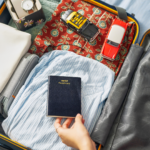
Use packing cubes or compression bags to separate items by type or day. This keeps clothes wrinkle-free and easy to locate.
Place frequently used items in accessible compartments, like toiletries or electronics. Keep heavier items near the base of your suitcase to maintain balance.
Create a checklist focused on essentials to avoid overpacking. Label bags or cubes for quick identification. Remember to leave some empty space for souvenirs or last-minute additions.
Choosing Versatile Clothing
Select clothing that can mix and match easily, sticking to a cohesive colour palette. Neutral tones like black, grey, and navy offer flexibility.
Opt for multi-use items like a jacket that works for both casual and dressier occasions, or pants suitable for hiking and city walks.
Prioritise lightweight, wrinkle-resistant fabrics. Including layers accommodates different climates without bulk.
Packing Light for Long Journeys
Limit your wardrobe to essentials and plan to do laundry on the go. Avoid packing “just in case” items, which add unnecessary weight.
Carry travel-sized versions of toiletries and reuse containers when possible to save space. Use digital versions of books and documents instead of physical copies.
Consider a carry-on only approach to move faster and avoid checked baggage fees. Weigh your bag before leaving to ensure compliance with airline limits.
Maximising Comfort During Travel
Ensuring comfort during long trips often comes down to managing rest, body rhythms, and physical well-being. Simple adjustments and preparation can greatly improve the travel experience.
Sleep and Rest Techniques
Prioritise bringing a neck pillow and an eye mask to block out discomfort and light. Noise-cancelling headphones or earplugs can reduce ambient sounds, helping maintain focus on rest.
Adjust your seating position frequently to avoid stiffness. Small stretches and movements on the plane or in transit prevent muscle cramps. Consider a light blanket for warmth, as cabin temperatures can fluctuate.
If possible, book seats with extra legroom or near the wing for less turbulence. Avoid caffeine and heavy meals before planned sleep times to improve rest quality.
Managing Jet Lag
Adjust your sleep schedule gradually a few days before departure to match your destination’s time zone. Exposure to natural sunlight upon arrival helps reset your internal clock.
Limit naps to 20-30 minutes to avoid disrupting nighttime sleep. Hydration and moderate exercise support quicker adaptation.
Using melatonin supplements can aid in adjusting sleep cycles, but consult a professional before use. Avoid alcohol and caffeine close to bedtime as they interfere with sleep quality.
Staying Hydrated and Healthy
Drink water regularly, aiming for at least 8 ounces every hour during the flight. Avoid excessive caffeine and alcohol, both of which contribute to dehydration.
Pack healthy snacks like nuts, fruits, and protein bars to maintain energy levels. Prioritise hand hygiene using sanitiser or wipes to reduce illness risk in crowded spaces.
Move around periodically to boost circulation. Compression socks can help prevent swelling and reduce the risk of deep vein thrombosis on long flights.
Saving Money on Long Trips
Saving money during long trips requires strategic planning and taking advantage of available resources. Booking flights and accommodations at the right time, knowing where to stay, and using rewards effectively can lead to significant savings.
Finding the Best Travel Deals
Start by monitoring flight prices on multiple platforms like Google Flights and Skyscanner. Use flexible date searches to spot cheaper options. Booking tickets 6-8 weeks in advance often yields the best rates for long trips.
Set up price alerts to track drops in airfare or hotel costs. Consider nearby airports or alternative routes that may reduce travel expenses. Travelling mid-week or during off-peak hours usually offers lower fares.
Package deals that combine flights and hotels can sometimes cut costs, but compare them with separate bookings to be sure. Avoid last-minute bookings unless you find special flash sales.
Budget-Friendly Accommodation Tips
Look beyond hotels to save on lodging. Options such as Airbnb, hostels, or vacation rentals often provide better rates and more space. Booking stays longer than a week frequently unlocks discounted weekly rates.
Choose accommodations with kitchen access to reduce food expenses by cooking your own meals. Check reviews carefully to avoid hidden costs or poor service.
Use local guesthouses or home-sharing platforms in smaller towns to find affordable and authentic lodging. Always compare cancellation policies and fees before finalising bookings.
Effective Use of Rewards and Points
Sign up for travel reward programs linked to airlines, credit cards, and hotels early. Accumulate points through everyday purchases and bonus promotions. Redeem points for flights, upgrades, or free hotel nights to reduce out-of-pocket costs.
Prioritise cards with no foreign transaction fees when travelling abroad. Some cards offer perks like travel insurance or lounge access that add extra value.
Keep track of expiration dates for points and combine rewards when allowed. Use airline alliances to transfer points across programs, increasing your redemption options.
Time Management and Itinerary Planning
Efficient time management and thoughtful itinerary planning help maximise experiences without feeling rushed. Identifying key interests and allowing room for spontaneity creates a balanced approach to long trips.
Prioritising Must-See Attractions
List the top attractions based on personal interests and location convenience. Rank them by importance and estimate the time required for each visit to avoid overscheduling.
Use this checklist:
- Interest level: Rate each attraction from 1–5
- Distance: Note travel time between sites
- Opening hours: Check availability to plan visits logically
Limit must-see spots to a manageable number per day. Reserve extra time for unexpected delays or longer enjoyment at favourites.
Balancing Flexibility and Structure
Build a structured itinerary with fixed reservations for major activities or accommodations. However, allow blocks of free time where plans canbe adjusted.
A sample daily plan might look like:
| Time | Activity |
| 8:00–9:00 AM | Breakfast |
| 9:30 AM–12:00 PM | Top attraction visit |
| 12:00–2:00 PM | Flexible lunch and rest time |
| 2:00–5:00 PM | Optional activities or a stroll |
This mix prevents burnout and offers chances to explore unexpected opportunities without disrupting the overall schedule.
Maintaining Connectivity and Access
Staying connected and having easy access to information is critical on long trips. This involves securing reliable internet and phone services, as well as preparing for offline use of essential apps like maps and translators.
Reliable Internet and Phone Solutions
Choose a local SIM card or an international roaming plan that covers your destinations to avoid excessive charges. Prepaid SIM cards often provide better rates for data in your travel location.
Portable Wi-Fi hotspots are an alternative, offering secure internet for multiple devices. Make sure to check battery life and data limits before relying on one.
Use apps that track data usage to avoid surprise fees. Also, download important contact numbers and travel details in advance in case connectivity is lost.
Using Offline Maps and Translation Apps
Download offline maps from apps like Google Maps or Maps.me before travel. These allow navigation without internet access, saving data and reducing dependency on connectivity.
For language barriers, apps such as Google Translate offer offline translation packs. These can handle text, voice, and even image translations without requiring a live connection.
Regularly update these offline resources before trips to ensure accuracy. Proper preparation with offline tools greatly reduces frustration in unfamiliar environments.
Health and Safety on Extended Trips
Proper preparation can prevent many common issues on long trips. Knowing how to protect your health and keep your travel secure is essential to avoid disruptions.
Travel Insurance Considerations
Choosing the right travel insurance means verifying coverage for medical emergencies, trip cancellations, and lost belongings. Look for policies that include evacuation in case of serious illness or injury.
Check if pre-existing conditions are covered; many plans exclude these unless disclosed. Understand the claim process and keep all receipts and documentation handy.
Consider insurance that covers adventure activities if your plans include hiking or water sports. Policies vary in coverage limits, so choose one that matches the trip’s duration and activities.
Purchase insurance soon after booking to protect deposits and non-refundable payments. Some credit cards offer insurance, but it often lacks comprehensive medical coverage.
Staying Safe in Unfamiliar Destinations
Research local health risks, including vaccinations and endemic diseases, before departure. Carry a basic first aid kit tailored to typical local needs, such as anti-diarrheal medicine and insect repellent.
Avoid walking alone at night and keep valuables secure. Use hotel safes and avoid sharing travel plans with strangers or on social media.
Familiarise yourself with emergency numbers and the location of local hospitals or clinics. Carry a physical and digital copy of important documents such as a passport, insurance, and emergency contacts.
Stay alert to your surroundings and trust your instincts. If an area feels unsafe, leave promptly and seek help.
Staying Productive and Entertained
Balancing work or study with relaxation is crucial during long trips. Effective strategies and tools can keep you efficient while travel entertainment options ensure your downtime remains enjoyable.
Work and Study While Travelling
Use noise-cancelling headphones or earplugs to block distractions in busy environments like airports or trains. Portable chargers or power banks keep devices running even when outlets are scarce.
Organise digital files beforehand to avoid wasting time searching for documents offline. Apps like Evernote, Google Docs, and Trello support collaboration and note-taking on the go.
Set small, manageable goals each day to maintain focus, such as completing specific tasks or chapters. Scheduling work blocks around transit or waiting times maximises productivity without stressing your schedule.
Enjoying Downtime on Long Journeys
Download content in advance to avoid relying on unstable internet connections. Streaming apps like Netflix, Spotify, or Audible offer movies, music, and audiobooks offline.
Packing portable entertainment gadgets such as e-readers or handheld consoles reduces boredom. Include diverse options: podcasts for education, puzzle games for mental stimulation, or light reading material.
Engage in simple activities like journaling or sketching to unwind without screen time. Use travel time to reflect or plan future trip details, turning idle moments into meaningful, refreshing breaks.
Coping With Travel Challenges
Travel often involves unexpected disruptions and sudden changes. Preparing for these situations helps you stay calm and effective when things do not go as planned. Knowing how to handle delays and cancellations, as well as adapting quickly to unforeseen circumstances, improves your overall travel experience.
Handling Delays and Cancellations
When faced with delays or cancellations, prioritise clear communication. Immediately contact your airline, train company, or bus service to learn about alternatives or compensation options. Keep important documents easily accessible, such as your ticket, passport, and booking reference.
Use travel apps and official social media channels for real-time updates. If stuck at the airport or station, find customer service desks and inquire about rebooking or lodging. Pack essentials like snacks, water, and chargers in your carry-on to stay comfortable.
Consider travel insurance that covers delays and cancellations for potential reimbursement. Stay patient and proactive by exploring nearby amenities or workspaces if you must wait for hours.
Adapting to Unexpected Situations
Unexpected travel issues could include lost luggage, sudden weather changes, or health problems. Always carry a basic emergency kit with medication, copies of important documents, and contact numbers for local emergency services and your embassy.
When plans change, be flexible—adjust transportation, accommodation, and activities as needed. Use technology to quickly find nearby services like pharmacies, clinics, or alternative lodging. Maintain a calm mindset to assess options logically without rushing decisions.
If travelling abroad, having a local SIM card or international roaming helps you maintain communication. Keep backup payment methods accessible in case your primary card fails or is stolen. Adapting efficiently reduces stress and keeps your trip moving forward despite setbacks.