




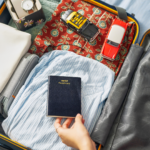
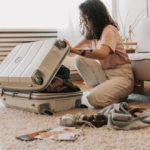

Packing a carry-on efficiently saves time and reduces stress during travel. The best carry-on packing tips focus on maximising space, choosing versatile items, and adhering to airline regulations. These strategies ensure you bring everything you need without the hassle of checked luggage.
Understanding what to pack, how to organise, and which essentials to prioritise can make a big difference on your trip. Smart packing techniques help you avoid common mistakes like overpacking or forgetting important items. This guide will provide practical advice to simplify your travel experience.
Essential Carry-On Packing Strategies
Choosing the right bag, organising your packing list, and efficiently using space are crucial to avoiding hassle and ensuring a smooth travel experience. Each step requires focus on size, necessity, and order to fit everything without exceeding limits.
Selecting the Right Carry-On Bag
The bag size must comply with airline regulations, typically around 22 x 14 x 9 inches. Prioritise lightweight materials like nylon or polyester to keep the bag easy to lift and carry, especially when it’s fully packed.
Features like multiple compartments, external pockets, and easy-access zippers improve organisation. A bag with durable wheels and a telescoping handle enhances mobility in airports. Consider a soft-sided bag for flexibility in tight overhead compartments, or a hard-shell for better protection against impact.
Planning Your Packing List
Make a detailed list focused on essentials only. Include versatile clothing items for layering and the most used toiletries in travel-sized containers. Avoid duplicates unless necessary.
Divide items into categories: clothes, electronics, documents, and personal care. Pack electronics and documents in easily reachable sections to speed up security checks. Use a checklist app or printed list to confirm you don’t forget critical items like chargers or medications.
Maximising Limited Space
Roll clothes instead of folding to minimise wrinkles and save space. Use packing cubes to compress items and keep similar things together. Place heavier items at the bottom of the bag to improve balance and ease of carrying.
Utilise all nooks in the bag by stuffing socks or underwear inside shoes. Avoid overpacking to leave room for souvenirs or last-minute additions, and remember airline weight limits to prevent extra fees.
Organising Your Carry-On Effectively
The way you pack impacts both space and convenience during travel. Prioritising compactness, visibility, and accessibility ensures you get through security and your journey smoothly.
Utilizing Packing Cubes
Packing cubes divide your bag into clearly defined compartments. Use different sizes for clothing, electronics, and toiletries. This method reduces movement inside the bag, keeping items neat.
Label cubes or use colour-coding to quickly identify contents without unpacking everything. Compressible cubes save space by compacting soft items like t-shirts or underwear. When unpacking, transferring cubes to a hotel drawer keeps your belongings organised.
Using a waterproof cube for liquids protects other items from spills. This structure helps manage your items and makes repacking faster and more efficient.
Rolling vs Folding Clothing
Rolling clothes minimises wrinkles and maximises space. It works best for soft fabrics like cotton and knitwear. Roll items tightly and secure them with an elastic band if needed to avoid unrolling.
Folding suits structured pieces like dress shirts or blazers that benefit from staying flat to keep their shape. For heavier garments, folding can create a stable base in the bag.
A hybrid approach often works best: roll casual items and fold more delicate or formal clothing. Keep heavier clothes at the bottom to balance the load and avoid crushing.
Arranging Items for Easy Access
Place frequently used items near the bag’s top or in external pockets. This includes travel documents, electronic chargers, and snacks. Use small pouches for loose accessories to avoid digging.
Keep liquids and toiletries in a clear, zippered bag to meet TSA regulations and speed up security checks. Shoes or bulkier items go at the bottom or in separate compartments to prevent damage.
Distribute weight evenly by placing heavier items close to your back if using a backpack. This improves comfort and stability during transit.
Optimising Packing for Specific Needs
Efficient packing adapts to the purpose of travel, destination, and conditions. Prioritise items based on flight requirements, work demands, and climate to avoid unnecessary bulk and hassle.
Packing for International Flights
When packing for international flights, prioritise travel documents like passports and visas in an easily accessible compartment. Liquids must follow the 3-1-1 rule: containers no larger than 3.4 ounces (100 ml), all fitting in one clear quart-sized bag, and one bag per passenger.
Currency and adapters for electronics tailored to the destination’s plug type are essential. Pack a change of clothes in your carry-on in case of delays or lost luggage. Include a universal charger and download offline maps or translation apps ahead of time.
Business Travel Essentials
For business travel, organise clothing that can mix and match to maximise outfit options without overpacking. Opt for wrinkle-resistant fabrics and pack a compact garment bag or a wrinkle-release spray.
Carry all necessary electronics, such as laptops, chargers, and backup batteries, in protective cases. Include a notebook, pens, and professional business cards. Keep personal care items minimal but effective, focusing on quick grooming essentials.
Packing for Different Weather Conditions
Adjust your carry-on contents based on climate forecasts. For cold weather, pack thermal layers, a compact scarf, gloves, and a hat that compress well. Waterproof outerwear should be light and foldable.
Warm-weather packing should emphasise breathable fabrics like linen or moisture-wicking synthetics. Include sun protection items such as sunglasses, hats, and sunscreen in accessible pockets. Footwear choices should match the activities planned and the weather conditions expected.
Managing Toiletries and Liquids
Effective management of toiletries and liquids is essential to meet airline rules and save space in your carry-on. Knowing the limits on container sizes and selecting travel-appropriate products can streamline your packing.
Complying with Airline Regulations
Airlines and security agencies limit carry-on liquids to containers of 3.4 ounces (100 millilitres) or less. These containers must fit inside a single transparent, resealable quart-sized bag. One bag per passenger is permitted.
This rule applies to gels, creams, sprays, and aerosols. Items like toothpaste, shampoo, and perfumes fall under these regulations. Larger containers can be packed in checked luggage but are prohibited in carry-ons.
Keep the bag easily accessible for security screening. Failure to comply can result in confiscation and delays.
Choosing Travel-Sized Products
Select toiletries designed for travel, usually labelled as “travel size” or “mini.” These are specifically sized to meet the 3.4-ounce restriction.
Consider solid alternatives where possible. Travel bars of soap, shampoo, or lotion reduce the risk of spills. Refillable travel containers can also be filled from larger bottles at home, reducing waste and cost.
Focus only on essentials to save space. Sample-sized products or multipurpose items are helpful for lighter packing.
Efficient Electronics and Gadgets Packing
Keeping your electronics organised and protected ensures a smoother travel experience. Use compact methods for cables and chargers, and safeguard your devices from damage during transit.
Organising Cables and Chargers
Group cables by type or device to prevent tangling and wasted space. Use cable ties, Velcro strips, or dedicated organisers to keep them neat. Pack chargers inside small pouches or zippered compartments to avoid loose wires.
Labelling cables with tags or colour-coded bands helps quickly identify them. Prioritise packing multi-port chargers or universal adapters to reduce the number of items you carry. Store earbuds or small gadgets in hard cases to minimise damage and loss.
Protecting Devices During Travel
Use padded sleeves or cases for phones, tablets, and laptops to shield them from bumps. Place fragile items in the centre of your carry-on, surrounded by soft clothing for extra cushioning.
Avoid overstuffing compartments with electronics to reduce pressure damage. Consider a compact power bank with built-in protection features. Keep screens facing inward and secure devices to prevent movement inside your bag.
Security and Convenience Considerations
Balancing security and convenience is critical when packing a carry-on. Protecting valuables and preparing for security checks can ease travel stress and prevent delays.
Keeping Valuables Safe
Store passports, wallets, electronics, and cash in an easily accessible but secure location. A slim, RFID-blocking travel wallet worn close to the body reduces the risk of theft or loss. Avoid placing valuables in external pockets that can be quickly opened by others.
Use clear, resealable bags for small items and keep chargers or accessories organised to avoid rummaging during travel. Consider carrying a portable lock for your bag’s zippers if you store valuable items inside.
Do not pack irreplaceable items or sensitive documents in checked baggage. Keep all essential items in your carry-on to maintain control throughout your journey.
Preparing for Security Screening
Organise your carry-on so liquids, electronics, and travel documents are easy to access for TSA checkpoints. Use a dedicated pouch for liquids under the 3.4-ounce (100ml) limit to speed up inspection.
Pack laptops and tablets in a location that allows quick removal, preferably in a separate compartment. Wear shoes that are easy to remove to streamline security lines.
Avoid overpacking to prevent the need for additional screening. Consider the rules for prohibited items before packing to ensure compliance and reduce hold-ups.
Smart Packing for Comfort and Health
Packing for a flight involves more than just fitting items into a bag. Prioritising in-flight comfort and health can reduce fatigue, prevent discomfort, and help avoid minor health issues.
Selecting In-Flight Comfort Items
Choose items that directly support your comfort during long flights. A neck pillow with good support can prevent neck strain. Opt for memory foam or inflatable designs for easy packing.
Wear compression socks to improve circulation and reduce swelling in your lower legs. Soft, breathable clothing layers help adjust to varying cabin temperatures. Include an eye mask and noise-cancelling earbuds or earplugs to block out light and noise, improving rest.
A refillable water bottle ensures hydration, important to counteract aeroplane dryness. Avoid heavy makeup or crowded accessories. Pack items in accessible pockets of your carry-on for quick use during the flight.
Packing a Compact First Aid Kit
A small first aid kit should cover basic needs without bulk. Include band-aids, antiseptic wipes, pain relievers (like ibuprofen), and any personal medications with original labels.
Add anti-nausea remedies if you’re prone to motion sickness. Pack lip balm and hand sanitiser to maintain skin and hand hygiene. Use a small, clear pouch for easy airport security checks.
Customising your kit based on destination and personal health needs saves space and prevents last-minute stress. Keep it inside your carry-on for immediate access during travel.
Sustainable and Eco-Friendly Packing Choices
Choosing sustainable packing options reduces environmental impact while travelling. Opt for reusable packing cubes made from recycled materials instead of single-use plastic bags. These cubes organise items efficiently and cut down on waste.
Use toiletries in solid form where possible, such as solid shampoo bars and toothpaste tablets. These reduce plastic packaging and meet airline liquid restrictions with ease.
Packing clothing made from organic or recycled fabrics minimises resource consumption. Lightweight, versatile garments reduce the amount of clothing needed, which also lowers luggage weight and fuel use during transport.
Eco-Friendly Packing Checklist:
| Item | Benefit |
| Reusable packing cubes | Reduces single-use plastic waste |
| Solid toiletries | Cuts down on liquid restrictions |
| Organic/recycled clothes | Lowers environmental footprint |
| Refillable travel bottles | Limits disposable plastic usage |
Avoid buying new items for every trip. Instead, reuse or repair old gear and clothing. This practice supports sustainability and saves money.
Final Checklist Before Departure
Double-check your travel documents before heading out. Ensure your passport, boarding pass, and any necessary visas are easily accessible. Keeping these in a dedicated travel wallet helps avoid last-minute fumbling.
Review your carry-on contents using this checklist:
| Item | Confirmed? |
| Identification | ☐ |
| Boarding pass | ☐ |
| Phone and charger | ☐ |
| Medications | ☐ |
| Toiletries (in travel size) | ☐ |
| Snacks | ☐ |
| Valuables (wallet, keys) | ☐ |
Make sure all liquids comply with TSA regulations and are packed in a clear quart-sized bag. This speeds up the security process.
Check the status of your flight and airport transport. Give yourself extra travel time in case of delays or heavy traffic.
Lastly, verify your carry-on weight and dimensions to avoid surprises at the gate. Use a luggage scale or weigh your bag on a bathroom scale for accuracy.