


Travelling abroad can be exciting, but it also presents unique safety challenges. Knowing how to protect yourself and your belongings is essential for a smooth experience. The best travel safety tip is to stay aware of your surroundings and keep important documents and valuables secure at all times.
Understanding local customs and laws can prevent misunderstandings and keep you out of trouble. Simple actions like avoiding risky areas and staying connected with trusted contacts add layers of protection.
These practical steps help minimise risks and make your trip more enjoyable. Staying informed and prepared is the key to safe travel abroad.
Essential Travel Safety Preparation
Thorough preparation reduces risks and ensures a smoother experience abroad. Knowing local conditions, having the right insurance, organising key documents, and sharing your plans with trusted contacts are essential steps.
Researching Your Destination
Start with official government travel advisories to identify safety concerns such as crime rates, political unrest, or health risks. Learn about local laws, customs, and cultural norms to avoid unintentional offences.
Map out safe neighbourhoods for accommodation and know emergency numbers specific to your destination. Check the local climate season and transportation options to plan accordingly.
Use traveller forums and recent reviews to get updated insights from others who have recently visited. Carry a small phrasebook or translation app if language barriers exist.
Securing Travel Insurance
Choose a policy that covers medical emergencies, trip cancellation, lost luggage, and theft. Verify if it includes coverage for adventure activities if you plan to engage in risky excursions.
Keep digital and physical copies of your insurance documents handy. Understand the claim process and emergency contact numbers provided.
Compare prices and benefits from multiple providers before purchasing. Confirm if your insurance supports 24/7 assistance internationally.
Preparing Important Documents
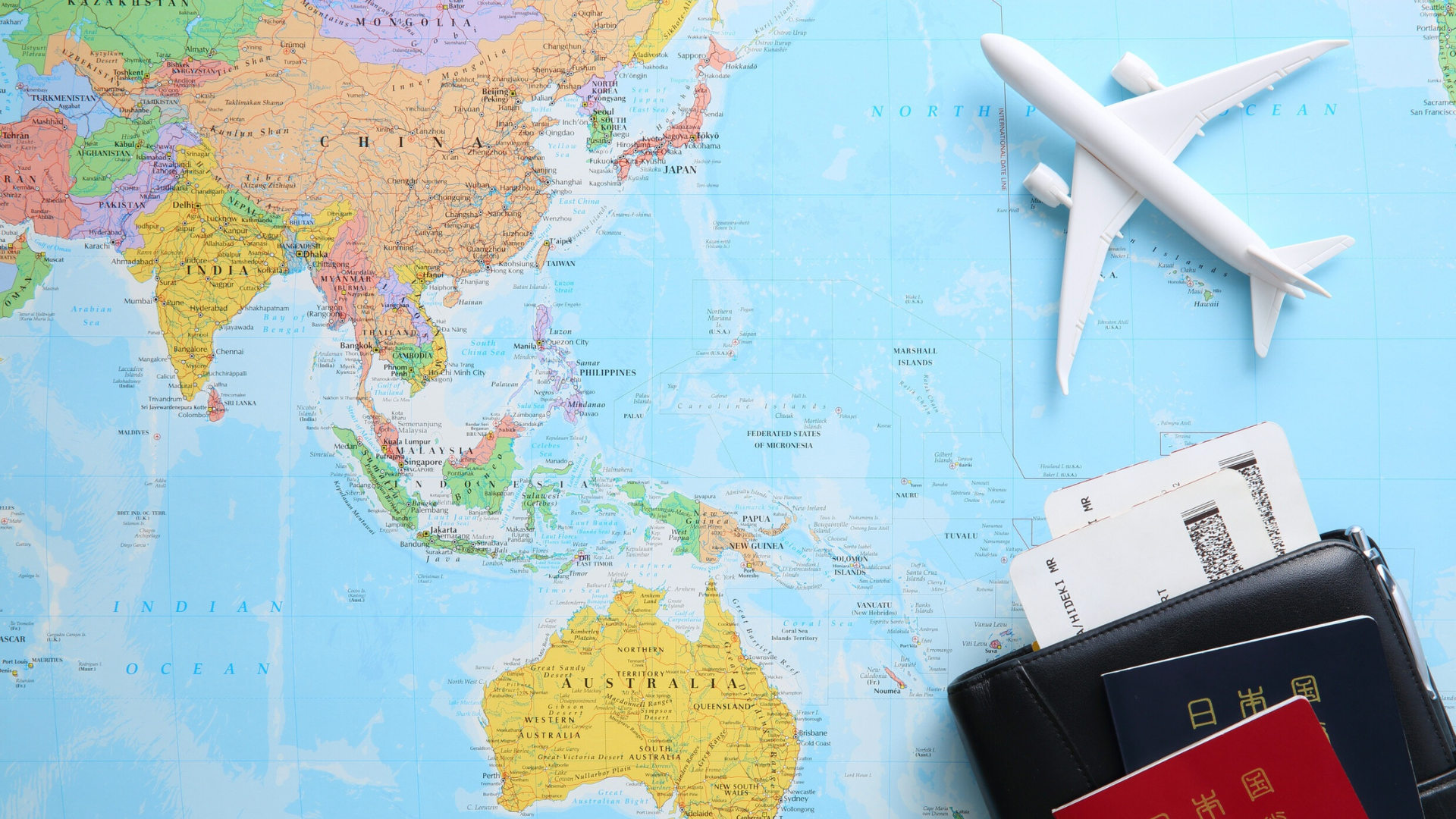
Organise your passport, visas, vaccination certificates, flight and accommodation confirmations, and emergency contacts. Store photocopies or scans separately from the originals.
Consider using a digital wallet app to keep secure, accessible copies of documents. Print important addresses or directions in case of device failure.
Label documents clearly to speed up processing in emergencies and border control. Check passport validity, making sure it exceeds six months beyond your travel dates.
Notifying Embassies and Family
Register your trip with your country’s embassy or consulate, which can provide alerts and assistance during crises. Share your itinerary, contact details, and accommodation addresses with close family or friends.
Arrange regular check-ins via phone or messaging apps to inform others of your status. Provide emergency contacts to local hospitals or guides if applicable.
This communication helps expedite support in emergencies and maintains vital connections in unfamiliar locations.
Personal Security Strategies
Staying safe abroad depends on controlling your environment, securing your possessions, and being alert to potential threats. Key actions include smart handling of valuables, maintaining constant awareness of surroundings, and actively deterring pickpockets.
Protecting Valuables and Personal Items
Use a money belt or hidden pouch under clothing for passports, cash, and credit cards. Avoid carrying large sums of money in wallets or bags that are easy to access.
Back up important documents digitally and store copies separately from originals. When staying in hotels, use safes if available; otherwise, lock items in luggage.
Limit what you bring daily. Carry only essential items and keep them in bags with sturdy zippers. Use crossbody bags that can be held close to the body instead of backpacks.
Situational Awareness Techniques
Always scan the environment when entering new places, noting exits and possible danger points. Avoid distractions like phones or headphones in crowded or unfamiliar areas.
Trust your instincts; if something feels wrong, move away calmly but quickly. Watch for people following you or loitering unusually nearby.
Maintain an open posture and make eye contact with locals or security. Blending in lowers risk, but appearing confident deters potential threats.
Preventing Pickpocketing
Dress to minimise attention on valuables—avoid flashy jewellery or brand-name bags. Keep wallets in front pockets or inside zipped compartments.
When in crowded areas such as markets or public transport, keep a hand on your bag or use bags with anti-theft features like lockable zippers or cut-resistant straps.
Be cautious when strangers engage you in conversation or block your path; such tactics often distract from pickpocket attempts. Regularly check personal belongings discreetly to ensure nothing is missing.
Health and Medical Safety
Prioritising health precautions can prevent many common travel illnesses. Being prepared with proper medical information and supplies ensures quick responses to emergencies. Understanding safe food and water practices reduces the risk of contamination.
Staying Up-to-Date on Vaccinations
Before travelling, check which vaccinations are required or recommended for your destination. Common travel vaccines include Hepatitis A and B, Typhoid, Yellow Fever, and Rabies.
Visit a healthcare provider 4-6 weeks before departure to get vaccines and boosters. This allows time for immunity to develop. Bring a printed copy of your vaccination records.
Some countries require proof of specific vaccines for entry. Research government health websites or the CDC for accurate information. Keeping routine vaccines, like flu and tetanus, current is also essential.
Emergency Medical Resources
Know the location and contact details of nearby hospitals and clinics in the areas you will visit. Save local emergency numbers on your phone.
Purchase travel insurance that covers medical evacuation and treatment abroad. Review policies carefully to understand coverage limits.
Carry a basic first aid kit including bandages, antiseptics, pain relievers, and any prescribed medications. Include copies of prescriptions and a medical summary if you have chronic conditions.
Learn about local healthcare standards and language for medical terms. This helps in communicating symptoms and receiving proper care quickly.
Food and Water Safety
Avoid consuming tap water unless it is confirmed safe. Opt for bottled, sealed water or boiled water where bottled options are unavailable.
Eat cooked foods served hot rather than raw fruits and vegetables unless you can peel or wash them with safe water. Street food can be risky if hygiene standards are unclear.
Use hand sanitiser before meals and carry disinfectant wipes. These reduce bacterial transmission from surfaces.
Be cautious with ice cubes and dairy products, which can be contaminated. When in doubt, skip these items to prevent foodborne illnesses.
Transportation Safety Tips
Travelling safely depends on understanding how to navigate different transportation modes. Being aware of risks and taking simple precautions can reduce potential dangers significantly.
Public Transit Safety
When using buses or trains, always keep your belongings secure and within sight. Avoid displaying valuables like phones, cameras, or wallets openly.
Stay near other passengers and use well-lit, populated stops or stations. If possible, check transit schedules ahead of time to avoid waiting late at night.
Be cautious when accepting help from strangers or carrying heavy luggage, as these can increase vulnerability. In unfamiliar cities, download transit apps or maps to minimise confusion.
Safe Taxi and Rideshare Practices
Always use official or well-known taxi services. Before entering, confirm the vehicle’s license plate and driver’s identity match your booking details.
When possible, book rides via reputable apps that provide driver ratings and real-time tracking. Share your trip details with a trusted contact for added security.
Sit in the back seat to maintain personal space and exit on the curbside when possible. Trust your instincts; if a driver behaves suspiciously, ask to stop or request assistance.
Vehicle Rental Precautions
Inspect rental cars thoroughly before driving. Check brakes, lights, tyres, and fuel levels immediately upon pickup.
Familiarise yourself with local driving laws and road signs, which can differ greatly by country. Avoid driving at night or in areas known for high accident rates.
Never leave valuables in plain sight inside the vehicle, and always lock doors while driving or parked. Confirm insurance coverage and emergency contact numbers before setting out.
Staying Connected While Abroad
Maintaining reliable communication is essential for safety and convenience when travelling internationally. Secure internet access, affordable local communication options, and clear emergency contacts ensure you stay reachable and informed.
Using Secure Internet Connections
Avoid public Wi-Fi networks without protection, as they often lack encryption and expose your data to hackers. Use a reputable Virtual Private Network (VPN) to secure your internet connection on public or hotel Wi-Fi. This encrypts your data and prevents unauthorised access.
Always check if a network requires an additional sign-in page and avoid transmitting sensitive information on open networks. When possible, rely on your mobile phone’s data network for safer browsing. Keeping your device’s security software up to date also reduces risks while accessing online services.
Local SIM Cards and Communication Apps
Purchasing a local SIM card often provides better rates and more reliable service than international roaming. Research compatible SIM options before arrival to ensure your phone supports them. Check coverage in the areas you plan to visit, as rural locations may have limited service.
Downloading communication apps like WhatsApp, Viber, or Telegram allows free or low-cost messaging and calls over Wi-Fi or mobile data. Confirm your contacts use the same apps for immediate connection. These apps also support group chats and sharing location, useful for coordination and safety.
Emergency Contact Plans
Create a list of emergency contacts, including local authorities, your country’s embassy, and trusted family or friends. Save these numbers both physically and digitally. Share your travel itinerary and contact details with at least two trusted people before departure.
Establish a check-in schedule to update family or friends regularly. In case of loss of service, know the locations of embassies, consulates, and local emergency services. Registering with your embassy’s traveller program can facilitate consular assistance if needed.
Cultural Awareness and Local Laws
When travelling abroad, it is essential to adapt to local customs, comply with laws, and engage respectfully with people. Being informed reduces risks and enhances your experience.
Respecting Local Customs
Local customs often reflect deep cultural values and traditions. Simple actions like dress codes, greetings, and behaviour can vary widely. For example, in some Middle Eastern countries, modest clothing is mandatory in public spaces, especially for women.
Pay attention to social norms such as tipping practices, public displays of affection, or photography restrictions. Using polite language and refraining from controversial topics helps avoid misunderstandings. Research cultural dos and don’ts ahead of time to navigate social situations smoothly.
Understanding Laws and Regulations
Laws abroad can be very different and strictly enforced. Serious penalties may apply for offences that seem minor in your home country, such as drug possession, jaywalking, or alcohol consumption in specific areas.
Always carry identification, know visa requirements, and avoid illegal substance use. Be aware of traffic laws if you plan to drive; for example, some countries require an international driving permit. Check local COVID-19 regulations if still applicable.
Interacting Safely with Locals
Engaging with locals can enrich your trip, but requires caution. Approach strangers with respect and avoid unsolicited personal questions or gifts. Use public places for meetings and keep valuables secure.
Learn basic phrases in the local language to show respect and facilitate communication. Be mindful of cultural sensitivities related to religion, gender roles, and social hierarchy when interacting. If unsure about behaviour, observe others or ask politely.
Crisis Management and Emergency Actions
Being prepared for emergencies abroad means understanding how to act quickly and effectively. Knowing what steps to take during natural disasters, following proper evacuation protocols, and connecting with local support can significantly reduce risks.
Responding to Natural Disasters
Stay informed about the types of natural disasters common in your destination, such as earthquakes, floods, or hurricanes. Monitor local news and weather alerts through reliable sources like government websites or trusted apps.
If a disaster strikes, find shelter immediately in a safe place—preferably a structurally sound building or an emergency shelter. Avoid windows and stay low if there’s shaking or flying debris. Have essential items ready, including a flashlight, water, and a first aid kit.
Keep your phone charged and maintain contact with family or travel companions. Follow instructions from local authorities without delay to minimise danger.
Evacuation Procedures
Know the evacuation routes of the area where you are staying. Many hotels and public places display emergency exit information—review this upon arrival. Plan how you will reach safe zones or assembly points if an evacuation is ordered.
Carry important documents, such as your passport, travel insurance, and emergency contacts, in an easily accessible bag. Have a small amount of cash and any necessary medications.
In crowded or chaotic situations, stay calm and follow the designated officials’ directions. Avoid driving unless instructed, as roads may become congested or unsafe.
Accessing Local Support Services
Identify local emergency numbers before travelling—these vary by country. In many places, 112 or 911 are common, but some regions have unique numbers for police, ambulance, or fire services.
Locate the nearest embassy or consulate of your country. They can assist with evacuation, lost documents, or legal issues.
Use community resources like hotels or local guide services to find reputable medical facilities or trusted translators if needed. Keep a list of contacts for embassies, medical aid, and local emergency organisations for quick reference.
Solo Traveller Safety Tips
Staying aware of your surroundings and making careful decisions about where to stay and how to act are essential. Paying attention to details like neighbourhood safety and situational awareness can greatly reduce risks.
Choosing Safe Accommodation
Select accommodations in well-lit, populated areas with good reviews specifically mentioning safety. Avoid places on isolated streets or with poor security features, such as lacking proper locks or CCTV.
Hotels with 24/7 front desk service and secure entry points increase safety. If opting for a hostel or Airbnb, check if the host has a verified profile and consider places with safety amenities like lockers or security cameras.
Always inform someone you trust of your accommodation details. Having a backup plan, such as a local emergency contact or nearby hotel, is advisable. Trust your instincts—if a place feels off, look for alternatives.
Avoiding Risky Situations
Limit night travel to trusted, well-populated areas and use registered transportation services. Avoid accepting rides from strangers and avoid isolated spots like deserted parks or alleys.
Keep valuables discreet and carry only what you need daily. Stay alert when using phones or maps in public to avoid being targeted.
Engage confidently but avoid revealing personal details or travel plans to strangers. Register with your embassy if possible, and know emergency numbers for the area.
Digital Safety for International Travelers
Travelling internationally requires vigilance with electronic devices and online activity. Securing personal data and recognising online threats can prevent serious disruptions while abroad.
Protecting Data and Devices
Use strong, unique passwords for all accounts accessed during travel. A password manager can help organise and generate secure passwords without needing to memorise them.
Avoid public Wi-Fi for sensitive activities like banking or accessing email. If necessary, use a reliable VPN to encrypt your internet connection and shield your data from hackers.
Keep your devices updated with the latest security patches and antivirus software. Disable automatic connections to public Wi-Fi networks to avoid untrusted hotspots.
Back up important files and documents before departure. Use encryption where possible to add an extra layer of protection to stored and transmitted data.
Avoiding Online Scams
Be cautious with unsolicited emails, messages, or calls asking for personal or financial information. Phishing attempts often mimic legitimate sources to trick travellers.
Verify URLs before clicking links, especially on unfamiliar websites or in messages. Look for HTTPS and legitimate domain names as indicators of secure sites.
Avoid downloading apps or attachments from unknown sources, as these may contain malware designed to steal information or compromise your device.
If contacted by someone claiming to represent a hotel, airline, or government agency, confirm their identity through official channels before sharing details or making payments.
Sustainable and Responsible Travel Practices
Travellers should prioritize minimizing their environmental impact while abroad. Simple actions, like using reusable water bottles and avoiding single-use plastics, help reduce waste.
Respecting local cultures and communities is essential. Engaging with locals respectfully and supporting small businesses ensures that tourism benefits the area directly.
Choosing eco-friendly accommodations and transportation methods can also reduce your carbon footprint. Look for hotels with green certifications or use public transit and bikes.
| Practice | Benefits |
| Use reusable items | Reduces plastic waste |
| Support local businesses | Boosts local economy |
| Choose eco-certified hotels | Lowers environmental impact |
| Use public transport | Reduces carbon emissions |
Avoid behaviour that may be disruptive or disrespectful. Follow local customs and dress codes, and always ask permission before photographing people or private spaces.
By staying informed and making conscious choices, travel becomes more sustainable and responsible. This approach helps preserve destinations for future visitors and local populations alike.