





Travel stress can turn an exciting trip into a tiring ordeal. The best way to avoid travel stress is to prepare thoroughly, stay organised, and manage your time carefully. This approach helps reduce last-minute worries and unexpected problems.
Simple habits like packing early, keeping important documents handy, and planning realistic schedules can make a big difference. Additionally, knowing how to handle delays or changes calmly keeps your trip on track.
Understanding key strategies to stay relaxed before and during your journey will improve your overall experience. This blog will guide you through practical tips to travel with less stress and more confidence.
Plan Ahead for a Smooth Journey
Successful travel depends on thorough preparation, including understanding destination rules, securing bookings early, and planning a balanced itinerary. These steps help reduce uncertainty and allow for a more relaxed experience.
Research Destinations and Requirements
Check official government and tourism websites for the latest travel advisories, visa requirements, and health regulations of your destination. Consider local climate, culture, and any ongoing events that might affect your stay.
Be aware of mandatory vaccinations or COVID-19 protocols to avoid last-minute complications. Confirm airport procedures, currency usage, and language basics to facilitate smoother interactions upon arrival. Document your sources for quick reference during the trip.
Book Accommodations and Transportation in Advance
Reserve flights, hotels, and transfers well before departure to secure better prices and availability. Use reputable booking platforms and read recent reviews to ensure quality and reliability.
Choose flexible options with easy cancellation or modification policies. Prioritise proximity to your points of interest to minimize transit time. Confirm your bookings and keep copies of all confirmations accessible electronically and on paper.
Create a Flexible Travel Itinerary
Outline daily activities, balancing sightseeing, rest, and meals to avoid burnout. Incorporate buffer times for unexpected delays or additional exploration.
List priority destinations and optional stops to adjust plans based on energy levels and weather conditions. Use apps or printed guides to track bookings, opening hours, and travel times efficiently. Maintain some unscheduled periods to enhance spontaneous experiences without stress.
Master Packing for Stress-Free Travel
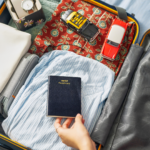
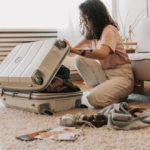
Efficient packing reduces stress by ensuring you bring what you need without overloading your luggage. Prioritise preparation, smart selection, and organisation to streamline your travel experience.
Use a Packing Checklist
Creating and following a detailed packing checklist prevents forgetting important items. Start by listing essentials such as travel documents, medications, chargers, and weather-appropriate clothing.
Review the checklist multiple times before departure. Group items by category—clothing, toiletries, electronics—to avoid last-minute searches.
Digital checklists on your phone or printouts provide easy access. Adjust the list for each trip’s specific duration, location, and purpose. This practice saves time and minimises anxiety about missing necessities.
Pack Light and Smart
Packing light focuses on versatility and necessity. Choose clothing that can mix and match easily and suits various weather conditions.
Limit shoes to two pairs—one casual and one formal or specialised. Use travel-sized containers for toiletries to save space.
Avoid overpacking by weighing items against daily needs. Opt for wrinkle-resistant fabrics and multi-purpose gear to reduce bulk.
Light luggage improves mobility and reduces fatigue during transit, making your journey smoother and more comfortable.
Organise Essentials for Easy Access
Keep frequently used items at hand by packing them in accessible compartments. Store passports, boarding passes, and wallets in external pockets or a small travel organiser.
Group electronics and chargers in a dedicated pouch to prevent tangling. Place medications and toiletries in clear, resealable bags to find them quickly during security checks.
Use packing cubes to separate clothing by type or day, which speeds up unpacking and repacking. Proper organisation reduces time spent searching for items and eases transitions between destinations.
Prepare for Airport and Transit Experiences
Planning your time effectively and understanding airport procedures reduces travel stress. Being organised and knowing standard practices for security and handling delays can improve your airport experience significantly.
Arrive Early and Know Your Route
Arriving early is crucial. Airlines typically recommend arriving 2 hours before domestic flights and 3 hours for international ones. This buffer helps accommodate check-in, security checks, and potential lines.
Plan your route to the airport in advance. Check traffic patterns, or consider public transit options with known schedules. Use apps to get real-time updates on your commute.
Prepare all documents, including boarding passes and ID, for quick access. Being familiar with the airport layout, such as gate locations and amenities, saves time and reduces confusion.
Manage Security and Customs Efficiently
Security procedures require patience, but can be sped up with preparation. Wear easy-to-remove shoes and avoid belts or bulky jewellery. Pack liquids according to regulations, usually in containers of 3.4 ounces (100 ml) or less in a clear quart-sized bag.
Keep electronic devices accessible for screening. Have your boarding pass and passport or ID ready when approaching security and customs.
At customs, answer questions truthfully and succinctly. Know your destination’s regulations regarding the goods you carry. Being calm and cooperative helps expedite the process.
Handle Delays and Cancellations Calmly
Delays happen. Use airline apps or airport monitors to stay updated on gate changes or flight times. Keep phone chargers and essential items handy in case you must wait.
Contact your airline promptly for rebooking options if cancellations occur. Maintaining patience and a polite tone when dealing with airline staff improves assistance quality.
Have backup plans, such as knowing nearby accommodations or alternative flights. Staying organised and flexible reduces frustration during unexpected disruptions.
Stay Healthy and Comfortable on the Go
Taking simple steps to manage your physical well-being can greatly reduce travel discomfort. Focus on drinking enough fluids, eating balanced meals, getting adequate sleep, and wearing suitable clothing for your journey.
Maintain Proper Hydration and Nutrition
Dehydration worsens fatigue and irritability, so drink water regularly before and during travel. Avoid excessive caffeine and alcohol, as they can dehydrate you further. Bring a reusable water bottle to fill up as needed.
Eat light, nutrient-rich meals instead of heavy or greasy foods that may cause sluggishness or digestive issues. Healthy snacks like nuts, fruits, or yoghurt keep energy levels stable. Plan meal times around your travel schedule to maintain routine.
Prioritise Rest and Sleep
Sleep deprivation increases stress and weakens the immune system. Try to get 7-8 hours of quality sleep before travelling.
Use neck pillows, eye masks, and earplugs on planes or buses to improve rest. If possible, schedule breaks during long trips to stretch and relax. Avoid screen time right before trying to sleep to help your body wind down.
Dress Comfortably for Travel
Choose loose-fitting, breathable fabrics to prevent overheating and discomfort. Layers allow easy adjustment to temperature changes between airports, planes, or outdoor areas.
Wear comfortable shoes with good support, especially if you anticipate walking or standing for long periods. Compression socks help improve blood flow on long flights, reducing swelling and fatigue. Avoid tight clothing that restricts circulation.
Manage Finances and Documentation
Planning your finances and organising your travel documents carefully reduces last-minute issues. Staying organised helps maintain control over your trip’s logistics and expenses.
Keep Important Documents Secure
Store passports, visas, tickets, and travel insurance in a dedicated travel wallet or document organiser. Use RFID-blocking sleeves for cards to prevent unauthorised scanning.
Make digital copies of all documents and save them on a secure cloud service or email them to yourself. Carry a physical backup in a separate location from the originals.
Check expiration dates well in advance to avoid surprises. Confirm all required visas and permits are in place before departure.
Budget and Monitor Expenses
Create a detailed budget including accommodations, transport, meals, and emergency funds. Track spending daily using a notebook or mobile app to stay within limits.
Carry a mix of cash and cards, but avoid keeping large amounts of cash on you. Notify your bank of travel dates and destinations to prevent card blocks.
Consider prepaid travel cards with fixed budgets to control spending. Keep receipts for major expenses to manage refunds or disputes.
Utilise Digital Travel Tools
Install travel management apps that consolidate flight details, accommodation reservations, and itinerary updates. Apps like TripIt or Google Travel simplify access to vital information.
Use currency conversion apps to keep track of exchange rates and avoid overspending. Expense tracking apps help maintain budget discipline.
Enable offline access for maps and documents to prevent reliance on unreliable internet connections. Sync calendars with travel plans for reminders and check-ins.
Embrace Flexibility and Mindfulness
Being open to change and managing your mental state can significantly reduce travel stress. Adapting to shifts in plans and using calming techniques helps maintain control and ease tension throughout your trip.
Adapt to Unexpected Changes
Travel rarely goes exactly as planned. Flights get delayed, weather shifts, and schedules shift unexpectedly. Accepting these changes quickly can prevent frustration from building.
Keep backup options ready, such as alternative routes, accommodations, or transportation. Having a flexible mindset lets you respond calmly and efficiently, turning potential obstacles into manageable situations.
Focus on what you can control, like staying informed and adjusting your activities accordingly. Resist dwelling on setbacks, as acceptance speeds recovery and keeps your trip enjoyable.
Practice Stress-Relief Techniques
Using simple stress-relief methods during travel can lower anxiety levels. Techniques like deep breathing, progressive muscle relaxation, or short mindfulness meditation sessions work well in airports or on planes.
Set specific times to practice these techniques, especially during known stress points, like security checks or layovers. Apps that guide meditation or breathing exercises can be helpful and convenient.
Physical movement, such as stretching or walking, also supports mental calmness by reducing tension and increasing blood flow. Combining these practices strengthens resilience against travel stress.
Enhance Travel Experiences with Smart Strategies
Effective communication, purposeful rest, and self-reflection are key to making travel more enjoyable. Using these approaches helps maintain balance and deepens the value of each trip.
Stay Connected with Loved Ones
Keeping in touch with family and friends during travel reduces feelings of isolation and stress. Use messaging apps, social media, or scheduled video calls to maintain regular contact.
Plan specific times to check in. This prevents distractions while exploring but ensures important connections remain strong. Sharing updates also allows you to feel supported and less disconnected.
Bringing a portable charger and reliable Wi-Fi access can prevent communication issues. Staying connected can improve your mood and provide assistance if unexpected problems arise.
Make the Most of Downtime
Downtime offers opportunities to recharge and enhance your travel experience. Use this time to rest, explore local cafes, or engage in light activities like reading or journaling.
Avoid over-scheduling to prevent exhaustion. Short breaks between activities reduce fatigue and improve focus on highlights.
Consider local experiences during downtime. Trying a new food or visiting a nearby park can turn idle moments into memorable parts of the trip.
Reflect and Learn From Each Trip
Taking time to review experiences after travel helps improve future trips. Keep a travel journal or use apps to record details about places visited, challenges faced, and personal insights.
Analyse what worked well and what didn’t. Adjust plans and packing lists accordingly. Reflection builds travel skills and reduces stress on subsequent journeys.
Sharing reviews or lessons learned with others adds value. This practice turns travel into ongoing personal growth rather than just transient events.