









South African national parks offer breathtaking landscapes and diverse wildlife, attracting visitors year-round. The best seasons to visit these parks are during the dry winter months from May to September when wildlife is more active and visible. This period also coincides with cooler temperatures, making it comfortable for outdoor exploration.
The spring months of September to November are also excellent for those interested in vibrant flora and fauna. During this time, wildlife begins to emerge from the dry season, and the scenery comes alive with blooming plants and newborn animals.
Each season in South Africa brings its unique experiences, from the lush greenery of summer to the stark beauty of winter. Understanding the characteristics of each season can greatly enhance a traveller’s adventure through the nation’s stunning parks.
Overview of South African Seasons
South Africa experiences a diverse range of climates and weather patterns, influenced by its geographical features. This variability affects temperature, rainfall, and seasonal activities across the country, making it essential for visitors to understand these seasons when planning a trip to national parks.
Climate and Weather Patterns
South Africa’s climate varies significantly from region to region. Coastal areas typically enjoy a Mediterranean climate, while inland regions can experience a more temperate climate.
- Average Temperatures: In summer (November to February), temperatures can soar above 35°C in some areas, while winters (June to August) can be chilly, particularly in the highlands, with night temperatures dropping to around 2°C.
- Rainfall: Summer sees the most rainfall, often in the form of thunderstorms, especially in the northeastern parts. Winter brings drier conditions with less humidity and clear skies.
Spring and Summer
Spring (September to November) marks a transition period, characterised by rising temperatures and the blooming of flora. Daytime temperatures rise, averaging between 20°C and 30°C in many areas.
- Rainfall Patterns: Spring may see sporadic rainfall as summer approaches.
- Wildlife Viewing: This season is excellent for wildlife spotting as animals become more active in preparation for the hotter months. Summer (December to February) can be hot and humid, with temperatures often exceeding 30°C, especially in the northern regions.
- Thunderstorms: Frequent thunderstorms can occur in the afternoons, leading to lush landscapes but also more challenging driving conditions in national parks.
Autumn and Winter
Autumn (March to May) provides a gradual cooling, making it a pleasant time to visit. Average temperatures range from 15°C to 25°C, and evenings become crisper.
- Reduced Rainfall: The rainfall decreases significantly during this period, resulting in cooler, more stable weather.
- Wildlife Activity: As vegetation thins, wildlife becomes easier to spot. Winter (June to August) brings much colder temperatures, particularly in higher altitudes.
- Temperatures: Daytime temperatures can vary from 10°C to 20°C, while nights can drop close to freezing.
- Visitor Numbers: Winter attracts fewer tourists, leading to a quieter experience in national parks, with clearer skies ideal for stargazing.
Best Times for Wildlife and Safari Experiences
Timing plays a crucial role in optimising wildlife and safari experiences in South African national parks. Seasonal changes influence animal behaviour, vegetation growth, and opportunities for spotting diverse species.
Game Viewing and Wildlife Spotting
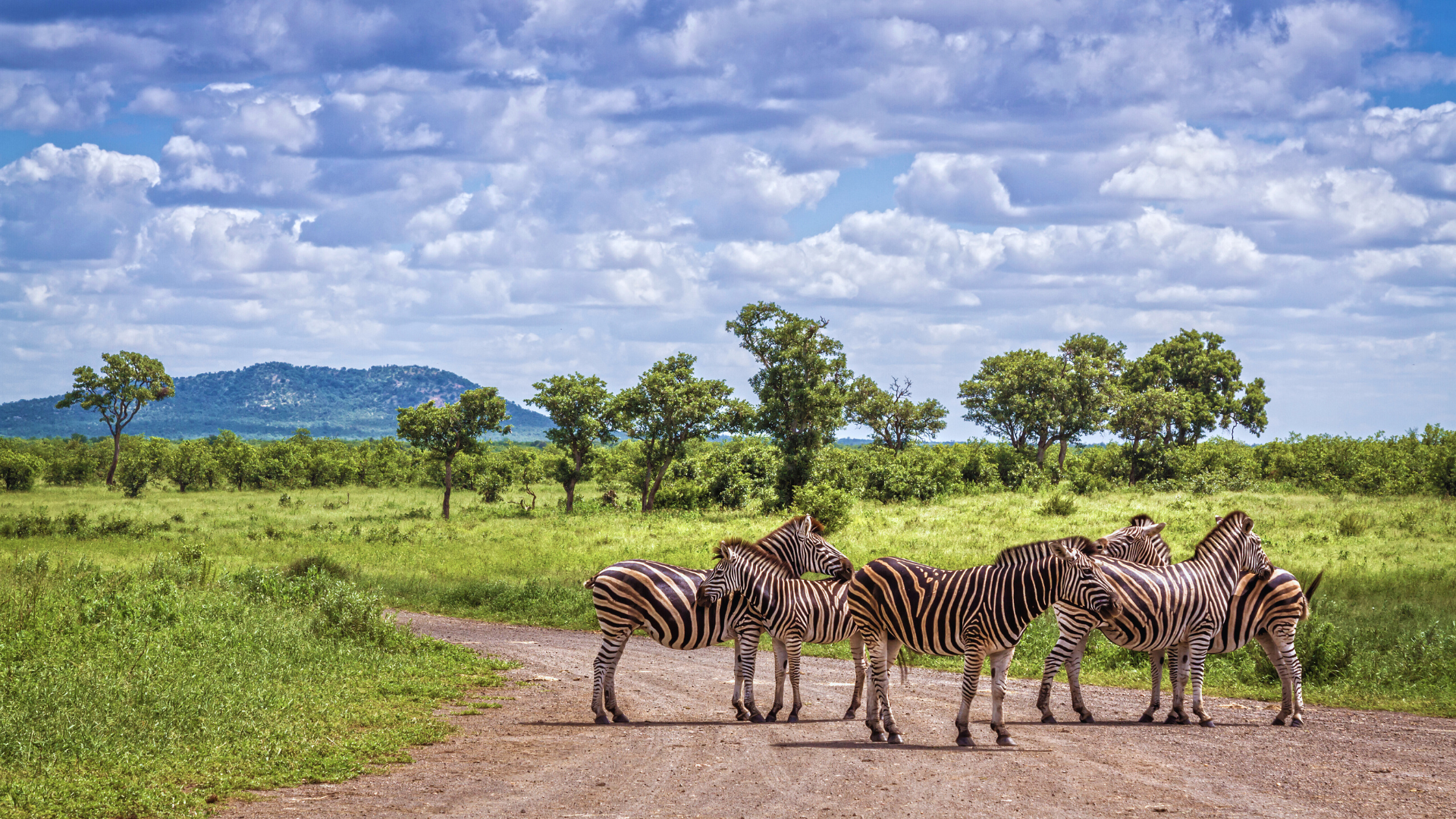
The dry season, from May to September, offers the best game viewing opportunities. During these months, animals gather around limited water sources, making them easier to spot. Waterholes become focal points for wildlife activity, particularly for large mammals like elephants and buffalo.
The vegetation is less dense in dry months, enhancing visibility. Game drives during early mornings and late afternoons are ideal; animals are more active and temperatures are cooler. Popular parks for game viewing include Kruger National Park and Addo Elephant National Park, where visitors can frequently spot iconic species such as lions and leopards.
Birding and Migratory Birds
Birding peaks during the rainy season, from November to March. This period attracts migratory birds, enriching the avifauna. Birders often seek out parks known for their diverse habitats, which support both resident and migratory species.
Areas with riverine vegetation and wetlands, such as the Okavango Delta, are particularly fruitful for birdwatching. Species like the African Fish Eagle and various storks are common during this time. Additionally, the breeding season for many birds occurs in these warmer months, showcasing vibrant plumage and mating behaviours.
Big Five and Iconic Species
For enthusiasts interested in the Big Five—lion, leopard, elephant, buffalo, and rhinoceros—the dry months offer heightened chances of encountering these animals. As the vegetation thins, visibility improves, making spotting them during game drives more straightforward.
Each species can be found in specific habitats. For instance, leopards are often seen in thick vegetation during cooler months, while elephants prefer areas near waterholes. Understanding these dynamics allows visitors to plan their safaris effectively, optimising opportunities for sightings of these iconic animals.
Regional Highlights: National Parks and Destinations
South Africa boasts a range of national parks and destinations, each offering distinct experiences for wildlife enthusiasts and nature lovers. Distinct regions highlight unique landscapes, wildlife, and cultural experiences that cater to diverse interests.
Kruger National Park
Kruger National Park is one of the largest game reserves in Africa and an essential destination for visitors. Spanning approximately 19,485 square kilometres, it is home to the Big Five: lions, leopards, elephants, rhinoceroses, and buffalos. The park’s varied ecosystems support an impressive array of flora and fauna, making wildlife spotting a thrilling experience.
The park features well-maintained roads, allowing for self-drive safaris. Guided tours are also available, led by knowledgeable rangers. Kruger is best visited during the dry winter months (May to September) when animals congregate around water sources, offering excellent viewing opportunities.
Eastern Cape Game Reserves
The Eastern Cape is known for its private game reserves, which provide a more exclusive experience compared to larger parks. Reserves like Addo Elephant National Park and Shamwari offer unique wildlife encounters and luxury accommodations.
Addo is particularly famous for its elephant herds and is home to diverse bird species. Other reserves may focus on specific wildlife, such as the Big Five or unique flora. Visiting during the dry season from May to September enhances visibility, as animals are more active in cooler temperatures.
Western Cape and Beaches
The Western Cape combines stunning national parks with breathtaking coastlines. Table Mountain National Park is a highlight, offering iconic views and diverse hiking trails. Visitors often explore Cape Town before heading to nearby beaches like Camps Bay and Boulders Beach.
Boulders Beach is famous for its resident African penguin colony, providing a rare opportunity for close encounters. The region’s Mediterranean climate makes it ideal for visits year-round. However, spring (September to November) and summer (December to February) are particularly popular for outdoor activities and beach exploration.
Drakensberg Mountains and Kalahari Desert
The Drakensberg Mountains, a UNESCO World Heritage Site, offer a different landscape rich in biodiversity. Visitors can hike scenic trails featuring rock art and stunning waterfalls. The area supports a variety of wildlife, including elands and mountain zebras.
In contrast, the Kalahari Desert presents a unique ecosystem known for its vast sand dunes and diverse animal life. The Kgalagadi Transfrontier Park is a highlight, famous for its stunning landscapes and exceptional opportunities for viewing cheetahs and lions. The best visiting times are from May to September when conditions are cooler and wildlife is more active.
Additional Activities and Travel Considerations
Visiting South African national parks offers a variety of engaging activities and travel aspects that enhance the overall experience. These include accommodation options, outdoor activities, wine-tasting experiences, and seasonal events that visitors should consider.
Accommodation and Camping Options
South Africa provides diverse accommodation options near national parks. Visitors can choose from luxury lodges, guesthouses, and affordable hostels. For a more immersive experience, camping remains popular in several parks.
Camping facilities vary from basic sites to more equipped areas with amenities. Popular parks like Kruger and Addo Elephant provide well-maintained campsites. Reservations are advisable, especially during peak seasons, to secure a spot.
Lodges and hotels close to parks often offer guided tours and additional activities. Options ranging from luxury safari lodges to family-friendly self-catering units cater to different budgets and preferences.
Best Times for Outdoor Activities
Outdoor activities in South African parks align with the seasons. The dry winter months, from May to September, are optimal for hiking and wildlife viewing. Visibility improves as vegetation thins, making animals easier to spot.
Hiking trails vary by park but often lead to breathtaking views at high altitudes. Visitors should consider guided hikes for safety and to gain insights from knowledgeable guides.
In contrast, the summer months from November to February feature vibrant landscapes but come with added rainfall. This season is ideal for birdwatching, as migratory species are present. However, outdoor activities may be limited due to weather conditions.
Wine Tasting and Whale Watching
South Africa is renowned for its wine regions, particularly the Cape Winelands, located close to national parks. Wine-tasting tours can be an excellent addition to a national park itinerary. Visitors can explore vineyards, participate in tastings, and enjoy gourmet dining.
Whale watching is particularly popular from June to November along the southern coast, especially in places like Hermanus. Tours often depart from coastal towns, providing opportunities to witness Southern Right whales. Combining a national park visit with a trip to the coast allows travellers to enjoy both wildlife and marine experiences.
Seasonal Events and Festivals
Throughout the year, South Africa hosts numerous festivals and events that coincide with peak travel seasons. These happenings offer a deeper insight into local culture and traditions.
Local festivals, such as the Cape Town International Jazz Festival or the Bloemfontein Rose Festival, showcase the country’s rich heritage. Participating in these events allows visitors to engage with local communities and enjoy live music and traditional performances.
Moreover, certain parks hold guided events during specific seasons, such as stargazing nights or educational talks. Timing a park visit to coincide with these events can enrich the experience, providing unique opportunities not found in standard itineraries.