

Travelling for the first time can feel overwhelming, but it doesn’t have to be. The best tip forfirst-time travellerss is to plan ahead while staying flexible—research your destination, pack smart, and prepare for unexpected changes. This approach helps reduce stress and makes the experience more enjoyable.
Understanding local customs, budgeting carefully, and keeping essential documents organised can prevent common travel pitfalls. Knowing what to expect and being ready for small challenges allows first-time travellers to focus on the experience rather than on problems.
Being open to new experiences while maintaining practical safety measures ensures a smooth start to any travel journey. Small choices made before and during the trip can have a big impact on how memorable and comfortable the adventure turns out.
Planning Your First Trip
Effective trip planning involves choosing a destination that fits your interests, setting a budget you can manage, and understanding travel requirements like visas and vaccinations. These elements form the foundation for a smooth and enjoyable first travel experience.
Choosing Your Destination
Select a location that matches your interests and comfort level. For first-time travellers, consider places with good infrastructure, straightforward transportation, and English-speaking locals or widely understood languages. Avoid destinations with complex visa processes or unstable political climates.
Think about the season and weather, as these affect activities and overall enjoyment. Destinations with popular tourist attractions and safety records often provide better support for newcomers. Use travel forums and official tourism websites to gather reliable information.
Setting a Realistic Budget
Create a detailed budget covering flights, accommodation, food, transport, and activities. Use price comparison tools like Skyscanner or Google Flights for airfare. For lodging, options range from budget hostels to mid-range hotels; book in advance to secure better rates.
Account for daily expenses such as meals and transit passes. Include a contingency fund, typically 10-20% of your budget, for emergencies or unexpected costs. Keep your budget flexible to accommodate changes, but stay clear on your maximum spend.
Researching Travel Requirements
Check visa requirements well before booking your trip. Different countries have varied policies about tourist visas, including application timelines and fees. Look up official embassy websites for the most accurate and updated information.
Vaccinations and health advisories depend on your destination. Visit a travel clinic to consult on necessary shots or preventive medications. Also, review entry restrictions related to COVID-19 or other health concerns, as they can impact your travel plans significantly.
Packing Essentials for Beginners
Effective packing starts with careful planning, organised documents, and the right luggage. These elements reduce stress and ensure you have what you need without overpacking.
Creating a Packing Checklist
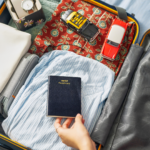
Start by listing items based on your destination’s climate, trip length, and planned activities. Divide the list into categories such as clothing, toiletries, electronics, and essentials.
Use a checklist app or paper list to track items as you pack. Prioritise versatile clothing, like neutral pieces that mix and match easily. Limit toiletries to travel-size containers to save space and comply with airline rules.
Include extras like chargers, medications, and a portable first aid kit. Review and update the list after each trip to improve your packing efficiency over time.
Travel Document Organisation
Keep all important travel documents in one secure, easy-to-access place. This includes your passport, boarding passes, visas, travel insurance, and emergency contacts.
Use a dedicated travel wallet or organiser with compartments for each document type. Digital copies saved on your phone or cloud storage add a backup layer in case of loss.
Double-check document validity dates before travel. Include printed confirmations for accommodations and transportation to avoid last-minute issues.
Choosing Luggage Wisely
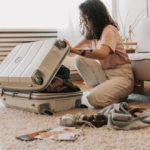
Select luggage based on trip duration, transportation methods, and destination terrain. A carry-on with multiple compartments is ideal for most short to medium trips.
Hard-sided suitcases offer better protection for fragile items, while soft-sided bags provide flexibility for tight spaces. Consider weight and durability to avoid extra fees and damage.
Test zippers, handles, and wheels before your trip to ensure smooth handling. Packing cubes can also maximise space and keep belongings organised inside your luggage.
Booking Transportation and Accommodation
Selecting the right travel options involves comparing prices, understanding what each type of accommodation offers, and timing your bookings carefully. Knowing how to navigate airlines, lodging choices, and booking windows helps save money and avoid last-minute stress.
Finding the Best Flight Deals
Use flight comparison websites like Skyscanner, Google Flights, or Kayak to check prices across multiple airlines. Flexible dates often reveal cheaper options, so try adjusting your travel days by a few days if possible.
Booking mid-week flights can reduce costs because airlines typically charge more on weekends. Consider budget airlines, but be aware of additional fees for baggage and seat selection.
Sign up for fare alerts to monitor price drops. Booking directly on the airline’s website after finding a deal can sometimes offer better customer service or easier changes.
Understanding Accommodation Options
Accommodations vary widely from hotels and hostels to vacation rentals and guesthouses. Budget travellers often prefer hostels or Airbnb stays for lower prices and local experiences. Hotels provide more consistency and services but often cost more.
Check amenities carefully—Wi-Fi, breakfast, and location near public transport can improve your stay significantly. Reviews on sites like TripAdvisor or Booking.com are crucial for verifying cleanliness and safety.
Short-term rentals can offer kitchens and living spaces, useful for longer stays. Confirm cancellation policies before booking to avoid extra fees.
Booking in Advance vs. Last Minute
Booking well in advance usually secures better rates and more choices, especially for popular destinations or peak travel seasons. Early planning is essential for flights and accommodations at major events or holidays.
Last-minute booking can work for off-season travel but carries risks like higher prices or limited availability. Apps like HotelTonight specialise in last-minute hotel deals, but these offer less predictability.
Consider your flexibility and willingness to adapt plans. If you have fixed dates, it’s safer to book ahead. For spontaneous trips, be prepared to compromise on your preferred options.
Navigating Airports and Arrival Procedures
Understanding how to move efficiently through airport processes can save time and reduce stress. Being prepared for security checkpoints and customs procedures is essential for a smooth journey.
Airport Security Tips
Before arriving at the security checkpoint, have your boarding pass and ID ready. Wear shoes that are easy to remove, as you’ll likely need to take them off. Liquids must be in containers of 3.4 ounces (100 ml) or less and fit inside a clear quart-sized bag, which you must place separately in the bin.
Remove laptops and tablets from your bag for separate screening. Avoid carrying prohibited items like sharp objects or large electronics in your carry-on. Follow the TSA agent’s instructions promptly to keep the line moving quickly. Keep belts, jackets, and bulky clothing off until after screening.
Dealing With Customs and Immigration
Fill out any required customs forms accurately, either upon arrival or online before your trip. Have your passport, visa, and declaration forms ready for inspection. Answer questions from officers truthfully and succinctly; common inquiries include your trip purpose and length of stay.
Declare all restricted or taxable items as required by law. Some airports have automated passport control kiosks that speed up processing. After customs, watch for signage directing you to baggage claim or connecting flights. Keep documents handy until you exit the airport.
Staying Safe While Travelling
Travellers need to prioritise both their health and the security of their belongings to avoid common risks while abroad. Taking specific precautions can prevent many issues and make the trip smoother and more secure.
Protecting Your Health Abroad
Before travelling, check if any vaccinations are required or recommended for your destination. Carry a basic first aid kit that includes pain relievers, antiseptic wipes, and any personal medications.
Drink bottled or purified water to reduce the risk of waterborne illnesses. Avoid raw or undercooked foods, especially from street vendors, unless you are certain of their hygiene practices.
Wear sunscreen daily, even in cloudy weather, and stay hydrated. Protect yourself from insect bites by using insect repellent and wearing long sleeves and pants in areas prone to mosquitoes to reduce the risk of diseases like malaria or dengue fever.
Keeping Valuables Secure
Use a money belt or hidden pouch to carry passports, cash, and credit cards. Avoid flashing expensive jewellery or electronics in public places, as this can attract unwanted attention.
When staying in hotels, use in-room safes if available. Keep photocopies of important documents separate from the originals in case of loss or theft.
Be cautious when using public Wi-Fi to access financial information. Use a virtual private network (VPN) where possible to protect data from hackers. Always stay aware of your surroundings, especially in crowded areas where pickpocketing is common.
Maximising Travel Experience
Adapting to new environments and managing your mindset play crucial roles in enriching your first travel adventure. Understanding local customs and preparing for unexpected situations can significantly enhance your trip.
Cultural Respect and Local Etiquette
Learning the basic customs and social norms of your destination helps avoid misunderstandings and shows respect to locals. Simple actions like greeting people appropriately or dressing according to local standards can make a positive impression.
Research local taboos before arrival. For example, in some countries, pointing with your feet or using certain hand gestures is offensive. Eating habits and tipping practices also vary widely and should be observed carefully.
Engaging with locals respectfully opens opportunities for meaningful interactions and deeper cultural insights. Using phrases in the local language, even basic greetings, signals goodwill and effort.
Managing Expectations as a First-Time Traveller
Set realistic goals for what you want to achieve during your trip. Not everything will go as planned, and flexibility is key to enjoying the experience.
Plan your itinerary, but allow time for spontaneous activities or rest. Trying to see everything often leads to burnout. Focus on a few key experiences instead of all available options.
Prepare for minor inconveniences like delays, language barriers, or unfamiliar foods. Accepting these challenges as part of travel keeps frustration minimal and maintains a positive outlook.
Coping With Travel Challenges
Travel often involves unexpected emotions and logistical issues. Recognising these difficulties early and preparing for them helps maintain control and reduce stress during trips.
Handling Homesickness
Feeling homesick is common for first-time travellers. Keep a small item from home, like a photo or a familiar snack, to ease feelings of loneliness.
Stay connected with family or friends through regular video calls or messaging. Planning daily activities also keeps the mind engaged and reduces dwelling on missing home.
Adapting to new environments takes time. Allow yourself moments to rest and acknowledge homesickness without letting it dominate your experience. Remember, most travellers feel this way initially.
Managing Travel Delays and Cancellations
Delays and cancellations happen. Always have digital and physical copies of important documents like tickets and IDs.
Use airline apps and notification services to get real-time updates. Pack essentials like snacks, water, and chargers in your carry-on to stay comfortable during waits.
If delays extend, know your rights for refunds or accommodations. Contact customer service calmly and clearly to resolve issues. Having travel insurance can also provide coverage for unexpected disruptions.
Embracing the Adventure
Travelling for the first time means stepping into unfamiliar environments and creating lasting memories. Capturing moments and welcoming new experiences are essential to fully benefit from your journey.
Documenting Your Journey
Keeping track of your travels helps preserve details you might otherwise forget. Use a travel journal or mobile app to note places visited, foods tasted, and feelings experienced each day.
Photographs are valuable, but don’t rely on them exclusively. Writing brief descriptions alongside images adds context and depth. Also, consider organising photos in folders by date or location for easier access later.
Sharing your experiences on social media or blogs can connect you with other travellers and provide helpful feedback. However, balance online sharing with being present in the moment to avoid missing unexpected discoveries.
Staying Open to New Experiences
First-time travel is a chance to break routines and engage with diverse cultures. Approach local customs with respect and curiosity, even if they differ significantly from your norms.
Try new foods, participate in local events, and converse with residents when possible. These interactions often lead to unique insights and enrich your understanding of the destination.
Expect plans to change due to unforeseen circumstances like weather or transport delays. Flexibility improves your ability to adapt and capture opportunities that rigid itineraries might miss.