





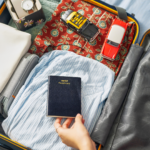

Travelling can be stressful when common mistakes disrupt your plans. From overpacking to ignoring local customs, these errors can turn a smooth trip into a frustrating experience.
Avoiding these mistakes requires simple yet effective preparation and awareness of common pitfalls. Knowing what to watch for helps you stay on track and enjoy your journey without unnecessary setbacks.
By learning practical tips and being mindful of what often goes wrong, you can save time, money, and avoid stress during your travels. This guide will outline key steps to help you do just that.
Planning Your Trip Effectively
Effective trip planning involves gathering detailed information, setting a workable schedule, and making timely booking decisions. These steps help prevent last-minute stress and ensure the trip meets your expectations.
Researching Destinations Thoroughly
Start by exploring practical details like weather, local customs, and transportation options. Use official tourism websites and recent traveller reviews to get reliable insights.
Check safety advisories and health requirements. Note peak seasons and local holidays to avoid crowds or closed attractions.
Map out key points of interest and estimate travel times between them. This groundwork avoids surprises and helps prioritise activities based on your interests.
Creating a Realistic Itinerary
Balance the number of activities with downtime to avoid exhaustion. Include travel time between locations and factor in potential delays.
Choose accommodations near your main points of interest. This reduces the daily commute and maximises exploration time.
Note opening hours and ticket requirements for attractions. Prioritise must-see spots and remain flexible to adapt plans as needed.
Booking in Advance vs. Last-Minute Decisions
Booking flights and accommodations early often secures better prices and availability, especially in high-demand destinations.
However, last-minute deals can occasionally offer savings if you’re flexible with dates and options. Use trusted platforms with clear cancellation policies to minimise risk.
Factor in visa processing times and travel insurance before finalising bookings. Early planning reduces complications and unexpected expenses.
Budgeting and Managing Expenses
Careful planning and close attention to spending can prevent financial stress during travel. Knowing how much to allocate, recognising overlooked costs, and choosing safe payment options are essential for maintaining control over your finances.
Setting a Travel Budget
Start by calculating major expenses such as airfare, accommodations, and transportation. Include daily costs for food, activities, and local transit to get a realistic idea of your total spend.
Use a spreadsheet or budgeting app to categorise expenses. This helps identify where to cut costs if needed. Allocate an emergency fund equal to 10-20% of your total budget for unexpected situations like medical needs or last-minute changes.
Avoid overestimating your budget, but don’t underestimate daily expenses either. Research typical prices at your destination to create a concrete budget that matches your travel style.
Accounting for Hidden Costs
Many travellers overlook fees like baggage charges, airport taxes, or resort fees. These can add 5-15% to your overall trip cost, quickly inflating your budget.
Currency exchange rates and international transaction fees also increase spending. Plan to exchange money at reliable sources and check your bank’s fee policy on foreign purchases.
Insurance, tips, and small daily expenses often go unnoticed. Prepare for these by including a buffer in your budget. Track your spending daily to avoid surprises and adjust where necessary.
Using Secure Payment Methods
Use credit cards with no foreign transaction fees for most purchases, which also provide fraud protection. Avoid carrying large amounts of cash to reduce the risk of loss or theft.
Consider a prepaid travel card that can be locked if lost or stolen. Always notify your bank before travelling to prevent card blocks.
Keep a backup payment option separate from your primary card. Use secure Wi-Fi connections or VPNs when making online payments to protect your financial data.
Avoiding Passport and Visa Issues
Ensuring your passport and visa meet all requirements before travel prevents delays and entry refusals. Knowing when to renew, understanding visa types, and keeping duplicates of important documents are essential steps for smooth border crossings.
Checking Validity Requirements
Many countries require your passport to be valid for at least six months beyond your planned stay. Always verify these rules with official government websites or your airline before booking tickets.
If your passport’s expiration date is approaching, renew it early. Some countries also mandate blank visa pages. Check for at least one or two blank pages to avoid complications during stamping.
Make sure your passport’s personal details match other documents like airline tickets and reservations. Any discrepancies can trigger scrutiny or denial of boarding.
Understanding Visa Policies
Visa requirements vary widely by destination, nationality, and trip purpose. Research the type of visa you need: tourist, business, transit, or others. Entry rules can change frequently, so check government or embassy websites well in advance.
Some countries offer e-visas or visas on arrival, but these may have restrictions or require advance registration. Note processing times and fees to avoid last-minute issues.
Comply strictly with visa conditions, such as duration of stay and allowed activities. Overstaying or violating terms can lead to fines, deportation, or future travel bans.
Keeping Copies of Travel Documents
Carry both physical and digital copies of your passport and visa pages. Store them separately from the originals to protect against loss or theft.
Use cloud storage or secure apps to access documents anytime. Include emergency contact details such as your country’s embassy or consulate.
In case your passport is lost, stolen, or damaged, having copies expedites reporting and replacement processes. It also aids customs officials in verifying your identity quickly.
Packing Wisely
Choosing the right luggage, considering the weather and planned activities, and avoiding excess items are crucial for stress-free travel. Each part of packing should be intentional to save time and prevent inconvenience.
Selecting Appropriate Luggage
Match your luggage size to your trip duration and type. For short trips, a carry-on is usually enough and avoids checked baggage delays. For longer trips, use a lightweight suitcase with sturdy wheels for easier transport.
Consider the destination’s terrain. Soft-sided bags are better for uneven surfaces and flexible storage. Hard-shell cases offer more protection for fragile items. Lockable zippers or built-in TSA-approved locks add security.
Check airline baggage restrictions in advance. Overweight or oversized bags cost extra and cause delays. Organise inside with packing cubes or compartments to maximise space and keep items accessible.
Packing for Weather and Activities
Research the destination’s climate for the travel period. Pack layered clothing for variable weather—light shirts beneath jackets or sweaters work well. Include a compact rain jacket or umbrella if rain is likely.
Choose footwear suited to activities: sturdy walking shoes for city tours, sandals for the beach, or boots for hiking. Avoid packing multiple types; select versatile options instead.
Don’t forget essential accessories like hats and sunscreen for sunny climates, or gloves and scarves for colder regions. Adapt your wardrobe to planned activities, ensuring practicality over fashion.
Minimizing Overpacking
Create a packing list based on daily outfits and essential items. Stick to it to avoid extra weight and clutter. Limit shoes to two pairs maximum.
Use travel-sized toiletries and plan on buying replacements locally if possible. Opt for multi-use items like clothing that can be dressed up or down.
Roll clothes instead of folding to save space and reduce wrinkles. Reserve extra room for souvenirs or necessities purchased during the trip. Avoid packing “just in case” items that rarely get used.
Preventing Health and Safety Problems
Travellers often face unexpected challenges related to health and safety. Taking preparatory steps can reduce risks and ensure a smoother experience abroad. Key actions include obtaining proper coverage, staying updated on health advisories, and respecting local legal requirements.
Securing Travel Insurance
Travel insurance protects against medical emergencies, trip cancellations, and lost belongings. Choose a policy that covers emergency medical care, evacuation, and COVID-19-related incidents, if applicable. Review the coverage limits carefully, ensuring they meet your destination’s healthcare costs.
Consider buying insurance before booking any non-refundable tickets. Keep digital and physical copies of the policy and emergency contact numbers handy. Check if pre-existing conditions are covered and understand claim procedures to avoid surprises.
Staying Informed About Health Risks
Research destination-specific health risks well before departure. This includes recommended vaccinations, mosquito-borne illnesses, and food and water safety concerns. Consult official sources like the CDC or WHO for the latest updates.
Carry a basic travel health kit with essentials like insect repellent, sunscreen, and medications for common ailments. Avoid street food in areas with poor hygiene standards. Drinking bottled water and practising good hand hygiene can prevent many illnesses.
Handling Local Laws and Regulations
Each country has unique laws impacting visitors, including restrictions on medication, alcohol, and behaviour. Familiarise yourself with these regulations using government travel advisories. Ignorance of local laws can lead to fines or legal trouble.
Be cautious with prescription drugs; some may be illegal or require documentation. Respect local customs and dress codes to avoid unwanted attention or penalties. Keep important documents, like your passport, secure and carry copies when possible.
Navigating Transportation Smoothly
Planning transportation in advance and staying aware of local practices can prevent delays, extra expenses, and safety risks. Knowing how to arrange transfers, use public transit, and identify scams helps keep travel stress low.
Arranging Airport Transfers
Booking an airport transfer before arrival saves time and confusion. Use official airport websites or reputable apps to find authorised taxis or shuttle services. Avoid unlicensed drivers waiting outside terminals.
Confirm pickup details in writing, including price and meeting point. For private transfers, share contact info with someone trusted. If using ride-share apps, check driver and vehicle information carefully.
Consider the duration and traffic patterns to estimate travel time, especially during peak hours. If travelling late at night, opt for pre-arranged pickups instead of hailing on arrival.
Understanding Local Transit Systems
Research local transit options—buses, trains, trams—before your trip. Many cities offer transit maps and apps to help plan routes and schedules. Knowing peak hours can avoid overcrowding and delays.
Acquire fare cards or passes in advance to save money and time. Some cities provide visitor-specific tickets valid for multiple days, which can be more cost-effective.
Learn basic local transit etiquette, such as priority seating rules and boarding procedures. Being prepared can reduce stress and help navigate efficiently in unfamiliar environments.
Avoiding Common Transportation Scams
Be vigilant when using taxis, buses, or other transport services. Common scams include overcharging, rigged meters, and fake taxis posing as official vehicles.
Only agree to fares upfront if meters are unavailable. Use ride-sharing apps where possible, as they provide fare estimates and driver details.
Avoid accepting rides from strangers or unofficial drivers. Keep small bills ready to avoid forced change scams. Trust your instincts—if something feels off, find another option.
Managing Accommodation Wisely
Choosing the right accommodation involves careful research, ensuring your booking is secure, and assessing safety features. These factors can greatly affect your comfort and peace of mind while travelling.
Reading Reviews and Comparing Options
Start by searching multiple platforms like Booking.com, Airbnb, and TripAdvisor to find different listings. Pay close attention to recent reviews, focusing on cleanliness, location accuracy, and host responsiveness.
Beware of overly positive or sparse reviews that may indicate manipulation. Look for patterns in feedback, such as repeated complaints about noise or poor maintenance.
Create a comparison table to track key attributes:
| Accommodation | Price | Location | Facilities | Average Rating |
| Hotel A | $120 | City center | Wi-Fi, Gym | 4.2/5 |
| Hostel B | $45 | Near subway | Kitchen | 3.9/5 |
This helps weigh your options effectively.
Confirming Reservations
Always double-check your booking confirmation immediately after purchase. Use the official website or app of the accommodation when possible to avoid third-party errors.
Save the confirmation email and any payment receipts. Contact the host or hotel directly a few days before arrival to verify your reservation.
Avoid last-minute cancellations by verifying cancellation policies and check-in times upfront. If your plans change, communicate early to reduce penalties.
Checking Accommodation Safety
Research the neighbourhood’s safety using local crime statistics or travel forums. Avoid areas known for high crime rates, especially if travelling alone.
Verify that the accommodation has working smoke detectors, secure locks, and 24-hour reception or security if available. If staying in a shared property, ensure there are rules about guest access.
Use Google Street View to assess the surroundings and see if the building matches the listing photos. Prioritise well-lit and easily accessible locations for added safety.
Communicating and Staying Connected Abroad
Staying connected while travelling requires understanding mobile costs and choosing the right internet access. Managing communication efficiently helps avoid unexpected fees and ensures continuous connectivity.
Understanding Roaming Charges
Roaming charges occur when using your mobile phone outside your home country. These fees can be high, so checking your carrier’s international rates before travelling is crucial.
Some carriers offer international plans or daily roaming packages. Activating these can reduce costs, but compare options carefully. Avoid data roaming if possible to prevent surprise charges, especially for data-heavy activities like streaming or video calls.
Always monitor your usage during the trip. Many smartphones allow you to track roaming data in settings. Turn off automatic updates and background data to minimise expenses.
Accessing Local Wi-Fi and SIM Cards
Local Wi-Fi hotspots are often free in hotels, cafes, and airports. Use secured networks when possible, and avoid sensitive transactions on public Wi-Fi to reduce security risks.
Purchasing a local SIM card is often the most cost-effective way to stay connected. SIM cards provide local phone numbers and data plans at domestic rates. To buy one, ensure your phone is unlocked and compatible with local networks.
Keep your original SIM card safe when switching. Some travellers use dual SIM phones to manage both local and home numbers simultaneously. Research local providers for coverage and pricing before the trip.
Respecting Local Customs and Culture
Respecting local customs and cultural practices helps build positive interactions and avoid misunderstandings. Small efforts like using key phrases or observing etiquette can improve your travel experience and show respect to hosts.
Learning Basic Phrases
Knowing simple phrases in the local language is essential. Greetings, thank you, and please are the most important. For example, in Japan, saying “arigatou” (thank you) shows politeness and appreciation.
Use language apps or phrasebooks to learn pronunciation and context. Even if fluency isn’t possible, locals value the effort. Avoid slang or complex expressions that might confuse or offend.
Keep a small list of essential words handy. Focus on a clear, respectful tone rather than perfect grammar. This practice opens doors and helps in emergencies.
Understanding Etiquette and Traditions
Research local customs before arrival. Different cultures have unique rules for dining, dress, and social behaviour. For instance, wearing shoes inside homes is common in many Asian countries but not in Western ones.
Observe gestures and body language carefully. In some places, direct eye contact can be disrespectful. In others, tipping is expected; in some, it is considered rude.
Respect religious practices and ceremonies by dressing appropriately and following guidelines when visiting sacred sites. When unsure, ask politely or follow what locals do.
Adopting these habits minimizes offense and fosters respect across cultures.
Avoiding Technology and Connectivity Mistakes
Travellers often overlook critical technology practices, which can disrupt plans and cause stress. Ensuring data is safely backed up and always using secure internet connections are essential steps to avoid common issues.
Backing Up Important Data
Before travelling, back up all essential data such as travel documents, passports, itineraries, and contact information. Use cloud services like Google Drive or Dropbox, which allow access from any device. Additionally, save copies on a portable external drive or USB for offline access.
Regularly update backups during the trip in case of device loss or malfunction. Don’t rely on a single backup method; combining cloud storage with physical copies provides added security. Remember to encrypt sensitive files to protect personal information from unauthorised access.
Using Secure Connections
Public Wi-Fi networks in airports, hotels, or cafes often lack security, increasing risks of data theft. Avoid logging into sensitive accounts, such as banking or email, on unsecured networks. Use a reputable virtual private network (VPN) to encrypt your traffic and mask your location.
Always verify that websites use HTTPS before entering personal details. If possible, use your mobile data instead of public Wi-Fi when handling confidential information. Keep device software and security apps updated to reduce vulnerabilities while connected.
Reacting to Unexpected Situations
Being prepared to respond calmly and effectively in unforeseen circumstances can prevent minor issues from becoming major problems. Quick access to important information and a clear plan of action are essential.
Dealing With Emergencies
In an emergency, prioritise safety and immediate assistance. Locate the nearest hospital, police station, or embassy beforehand. Carry essential contacts in a physical form, such as emergency numbers and your accommodation’s address.
If medical help is needed, describe symptoms clearly, and keep health insurance and medical records accessible. For safety incidents, contact local authorities immediately and notify your country’s embassy if applicable.
Keep a basic first aid kit and medication for common issues like allergies or pain. Stay calm, avoid risky decisions, and inform travel companions or locals for support when possible.
Managing Lost or Stolen Items
Start by reporting the loss or theft to local police promptly to obtain an official report. This is critical for insurance claims and official documentation. Cancel or freeze stolen cards immediately through your bank’s emergency hotline.
Use apps or tracking services to locate lost electronics. Notify your embassy or consulate if important documents like passports are missing. Carry copies of travel documents separately to aid in this process.
Prepare by keeping valuables in secure, hidden bags and using hotel safes when available. Avoid carrying all your cash and cards in one place to reduce risk.
Reflecting on Your Travel Experience
After your trip, take time to review what went well and what didn’t. This reflection helps identify common mistakes and improve future travel plans.
Write down key points such as packing issues, time management, and budget adherence. Keeping a travel journal or notes on your phone makes this easier.
Consider asking yourself questions like:
- Did I leave enough time between connections?
- Was my accommodation convenient and comfortable?
- Did I stick to my budget limits?
Here is a simple table to track your observations:
| Area | Successes | Areas to Improve |
| Packing | Packed light and smart | Forgot chargers |
| Transportation | On time for flights | Missed the bus once |
| Budget | Stayed within limits | Spent too much on meals |
| Activities | Enjoyed planned tours | Overbooked myself |
Reflecting encourages mindfulness about your travel habits. Over time, this practice reduces common mistakes like overpacking or poor scheduling.
Try sharing your experience with fellow travellers or on travel forums. This feedback exchange can offer new perspectives and tips.
Reviewing your travel details after each trip turns experiences into lessons for smoother journeys ahead.