










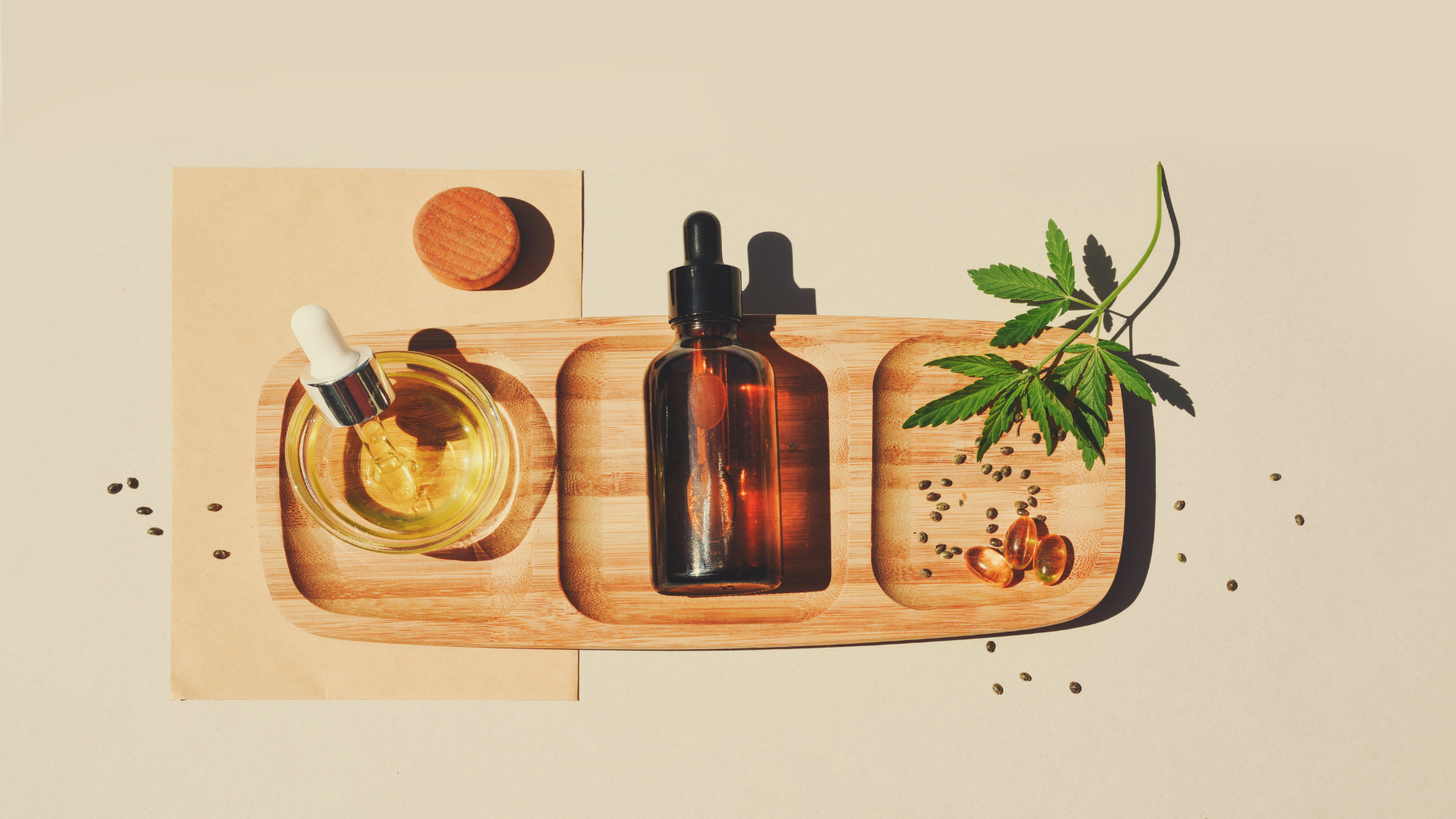
The popularity of CBD products has surged as more individuals seek natural alternatives for wellness. These products, derived from the cannabis plant, include a variety of forms such as oils, capsules, edibles, and topical applications. Understanding the different types of CBD products available is essential for choosing the right option that meets individual needs and preferences.
CBD, or cannabidiol, is one of the many compounds found in hemp and cannabis. Each form of CBD offers unique effects and benefits, which can vary based on the user’s goals and lifestyle. From the effectiveness of oils for quick relief to the convenience of edibles for prolonged effects, exploring these differences can lead to better-informed choices.
Safety is another crucial aspect to consider when using CBD. While many users report positive experiences, it is important to choose high-quality products and consult with a healthcare professional if unsure. This blog post will provide an overview of the various CBD products available, helping readers make informed decisions about incorporating them into their wellness routines.
Understanding CBD and Its Types
CBD, or cannabidiol, is one of the many cannabinoids derived from the hemp plant. Its various forms cater to different user preferences and needs, showcasing a range of options from oils to edibles. This section explores the nature of CBD and the types available in the market.
Overview of Cannabidiol (CBD)
Cannabidiol (CBD) is a non-psychoactive compound found in cannabis and hemp plants. Unlike THC (tetrahydrocannabinol), CBD does not produce a ‘high’ feeling.
CBD interacts with the body’s endocannabinoid system, impacting various functions like pain, mood, and appetite.
It is recognised for potential therapeutic benefits, making it popular among those seeking natural remedies.
CBD products are derived from either hemp or cannabis, with hemp-based products offering a higher concentration of CBD and lower levels of THC.
Different Spectrums of CBD Products
CBD products are commonly categorised into three primary types, each defined by their cannabinoid content:
- Full-Spectrum CBD: Contains all cannabinoids, including trace amounts of THC (usually below 0.2% in the UK). This spectrum utilises the entourage effect, where various compounds work together to enhance therapeutic benefits.
- Broad-Spectrum CBD: This type includes multiple cannabinoids, excluding THC. It offers a range of benefits without the psychoactive effects associated with THC.
CBD Isolate: Represents pure CBD, free from other cannabinoids, terpenes, and flavonoids. It is ideal for those seeking to avoid THC entirely or for precise dosing.
Each spectrum offers unique advantages, catering to different preferences and wellness goals.
Popular Types of CBD Products
The variety of CBD products on the market caters to different needs and preferences. Each type offers unique benefits and applications, appealing to a broad audience interested in incorporating CBD into their routines.
CBD Oils and Tinctures
CBD oils and tinctures are liquid extracts derived from hemp plants. They typically contain a concentrated dose of CBD oil mixed with a carrier oil, such as hemp seed or coconut oil. Users often appreciate the ease of dosing, as a dropper allows for precise measurement.
These products can be taken sublingually for rapid absorption or added to food and beverages. Many brands offer various flavours, catering to different tastes. It’s essential to choose THC-free or full-spectrum options based on personal preferences and required effects. The quality of these products can depend on the source of the plant itself, with factors like cultivation practices, soil conditions, and genetics, such as those used for cannabis seeds Australia, or elsewhere, playing an important role in the final composition, consistency, and overall effectiveness.
CBD Capsules and Edibles
CBD capsules provide a discreet and convenient way to consume CBD. Each capsule contains a predetermined amount of CBD, making it easy for users to track their intake. This format is especially suitable for individuals who dislike the taste of oils or tinctures.
CBD gummies and other edibles are popular among those seeking a sweet treat with health benefits. Edibles often come in various flavours and dosages, allowing for flexibility. It may take longer for effects to manifest when consumed as an edible due to digestion time.
Topical CBD Products
Topical CBD products include balms, lotions, and salves designed for application directly on the skin. They target specific areas of discomfort, such as sore muscles or joint pain. The topical applications are suitable for localised relief without systemic effects.
Many formulations combine CBD with other beneficial ingredients like essential oils or herbal extracts. Users might choose these products for their non-intoxicating nature and ease of use. When selecting topical products, it is vital to check for other active ingredients to enhance effectiveness.
CBD Vapes and Concentrates
CBD vapes utilise vapourisation to deliver cannabinoid compounds quickly. These products come in various forms, including vape pens, cartridges, and disposable devices. Vaping offers a rapid onset of effects, appealing to those seeking immediate relief.
Concentrates like wax or shatter provide a potent dose of CBD. They require specific equipment for use but allow for a more intense experience. It’s crucial for users to select high-quality concentrates to ensure purity and avoid unintended contaminants. When choosing such products, it can be important to look for quality and compliance. To find a wide variety of options, exploring a great range of TPD compliant vapes can ensure that products meet the necessary safety and manufacturing standards, providing a safe and reliable user experience.
Determining the Quality and Safety of CBD Products
Assessing the quality and safety of CBD products involves several critical factors that include third-party testing, understanding the Certificate of Analysis (COA), and recognising the legal status and FDA regulation of these products. Each of these elements plays a pivotal role in ensuring consumers receive reliable and safe products.
Role of Third-Party Testing
Third-party testing serves as an independent verification of the product’s quality. Reputable CBD manufacturers engage external laboratories to carry out thorough analyses of their products.
These tests check for:
- Potency: Ensuring the product contains the advertised amount of CBD.
- Contaminants: Identifying harmful substances like pesticides, heavy metals, and solvents.
Results from these tests confirm that the product meets safety standards and regulations. Consumers should look for brands that openly share these test results, as transparency is key to consumer trust.
Reading the Certificate of Analysis (COA)
The Certificate of Analysis (COA) is a vital document that provides detailed insights into a CBD product’s composition. A good COA includes information on cannabinoid profiles, which shows the levels of CBD and other cannabinoids present.
It should also include:
- Contaminant testing results: Information on the absence or presence of harmful substances.
- Batch number: Ensuring the COA is specific to the product being purchased.
Consumers should cross-reference the COA with product labels for accuracy. A comprehensive COA is essential for validating safety and potency claims.
Legal Status and FDA Regulation
The legal status of CBD products varies significantly across regions. In many areas, hemp-derived CBD is legal, provided it contains less than 0.3% THC.
The FDA does not regulate CBD products as strictly as pharmaceuticals, but they do monitor marketing and claims.
Key points to consider:
- Adverse Effects: Misleading claims can potentially lead to safety concerns.
- Drug Testing: CBD products may contain trace amounts of THC, which could show up on drug tests.
Consumer awareness of the legal implications and FDA guidelines is crucial for the safe and informed use of CBD products.
CBD Benefits and Usage Tips
CBD products offer various potential health benefits and practical tips for effective usage. Individuals exploring CBD may find it useful in addressing specific symptoms and understanding the appropriate dosages.
Potential Health Benefits
CBD is often utilised for its potential therapeutic effects on various health conditions. Research suggests it may help alleviate anxiety and stress, promoting relaxation and a sense of calm. Many individuals report improvements in chronic pain management, as CBD can interact with the endocannabinoid system (ECS), particularly influencing CB1 and CB2 receptors in the body.
In addition, CBD has anti-inflammatory properties which may benefit those suffering from conditions like arthritis. Users frequently cite improvements in sleep quality, implying a role in managing insomnia. Nevertheless, the extent of these benefits can vary based on individual biology and product formulation.
That’s why many are choosing to cultivate their own plants using high-quality cannabis seeds. Home growing offers greater control, transparency, and the ability to customize every step of the process to fit individual wellness needs. Trusted sources like Multiverse Beans and similar providers offer carefully curated selections of premium seeds bred for therapeutic use. This empowers individuals to grow strains aligned with their specific health goals, whether it’s managing stress, relieving chronic pain, or enhancing sleep quality.
Dosage and Effective Use
Establishing the right dosage of CBD is crucial for maximising its benefits. There is no one-size-fits-all recommendation, as factors like body weight, individual metabolism, and the severity of the symptoms all play significant roles. Starting with a low dose and gradually increasing it allows users to assess their individual response.
The bioavailability of CBD, or how much of it the body can effectively use, varies significantly according to the method of consumption. For instance, oils and tinctures may offer higher bioavailability compared to edibles. Regular users suggest keeping a journal to track effects and dosage adjustments, which can help determine the most effective use.
Consulting Healthcare Professionals
Before starting any CBD regimen, consulting a healthcare professional is advisable. They can provide personalised guidance based on individual medical history and conditions. It is particularly important for those already taking medication, as CBD may interact with certain treatments.
Healthcare professionals can also assist in identifying appropriate types of CBD products for specific needs. Engaging in an open conversation about the potential benefits and risks ensures a well-informed approach to CBD usage, ultimately supporting safer and more effective management of health concerns.