






An African safari is a once-in-a-lifetime adventure, offering breathtaking wildlife encounters and stunning landscapes. To make the most of this experience, travellers should equip themselves with essential gadgets that enhance comfort and connectivity while exploring the wilderness. From durable cameras to portable chargers, the right tools can make all the difference in capturing unforgettable moments.
As one ventures into the heart of Africa, staying connected and prepared is key. Gadgets like multifunctional tools, reliable GPS devices, and high-quality binoculars can significantly enhance the safari experience. These items not only provide convenience but also ensure that adventurers remain safe and informed throughout their journey.
Embarking on an African safari requires careful planning, and choosing the right gadgets is crucial. The right gear can elevate the adventure, allowing travellers to focus on the incredible sights and experiences that await them.
Essential Travel Gadgets for an African Safari
An African safari presents unique challenges and experiences that require specific gadgets. From capturing wildlife moments to ensuring comfort during excursions, having the right gear is essential.
Cameras and Binoculars
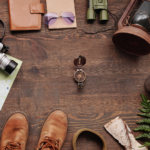
For capturing the magic of wildlife, a good camera is vital. A DSLR or mirrorless camera with a versatile zoom lens helps photograph wildlife during game drives or walking safaris. Equally important are binoculars for close-up views of animals from a distance. Look for lightweight models, ideally with at least 8x magnification, for easy handling.
Additional accessories such as extra memory cards are essential, given the high volume of photos taken. A durable camera bag will keep gear protected from dust and moisture. If using a smartphone for photography, ensure it has ample storage and consider a portable lens attachment for enhanced shots.
Power Solutions and Charging Devices
Keeping devices charged is critical when spending long days in the wilderness. A reliable power bank or portable charger provides the necessary backup for cameras and smartphones, especially on extended game drives. Opt for a power bank with multiple ports to charge several gadgets simultaneously.
In addition, consider a solar charger if staying in remote areas with limited power access. Adaptors may also be required to suit local power outlets. Investing in rugged charging equipment ensures gadgets remain operational throughout the safari.
Comfort and Clothing Essentials
Comfort plays a significant role in enjoying an African safari. Opt for neutral-coloured clothing that blends with the environment, avoiding bright colours that may scare off wildlife. Long-sleeved shirts protect against sun exposure and insect bites.
A wide-brimmed safari hat offers essential sun protection. In addition, pack a light rain jacket for sudden weather changes. Footwear is critical; hiking boots or sturdy hiking shoes should be chosen for their comfort and support during long walks. Including essentials like sunglasses and a swimsuit can also improve comfort levels when at lodges or camps.
Health, Safety, and Protection Devices
Proper health, safety, and protection devices are essential for a safe safari experience. It’s important to prepare with the right tools to manage health risks and ensure overall well-being while enjoying the adventure.
Insect and Sun Protection
Insect repellent is a must-have. Products containing DEET or picaridin effectively ward off mosquitoes and other biting insects. Applying repellent regularly, especially during dawn and dusk, reduces the risk of diseases like malaria.
Sun protection is equally vital. A broad-spectrum sunscreen with SPF 30 or higher should be applied liberally. Wearing UV-blocking sunglasses protects the eyes, while a wide-brimmed hat shields the face from harmful rays. Lightweight, long-sleeved clothing made from breathable fabrics also helps to protect against both insects and sun exposure.
First Aid Kits and Medical Gear
A well-stocked first aid kit is essential. It should include adhesive bandages, antiseptic wipes, and gauze pads to treat minor injuries. Additionally, carrying personal medications—such as antihistamines for allergies or regular prescriptions—is crucial.
Consider including items like a thermometer and insect bite relief cream. A compact medical kit with essentials can assist in handling unexpected situations. Travel insurance should also be secured; it provides peace of mind and financial protection against medical emergencies.
Hydration and Water Accessories
Staying hydrated is paramount during a safari. A sturdy water bottle, ideally insulated, keeps water cool and encourages regular intake. Look for bottles with built-in filters to ensure safe drinking water, especially in more remote areas.
Hydration packs are another option, allowing for hands-free drinking while on the move. Electrolyte tablets can be a useful addition, helping to replenish salts lost through sweat. Maintaining hydration supports energy levels and overall health throughout the adventure.
Smart Packing and Organisation Tools
Efficient packing and organisation are crucial for a successful African safari. By utilising smart tools, travellers can optimise their adventure and ensure they have everything they need while minimising unnecessary weight.
Lighting and Navigation Gadgets
Proper lighting and navigation tools are vital for safety during a safari. A headlamp is an excellent choice for hands-free illumination. It allows travellers to manage tasks at night while maintaining freedom of movement.
A reliable flashlight should also be part of the gear. It offers versatility for various situations, such as finding paths in low light. In this regard, individuals can consider carrying practical tools like edc flashlights or even headlamps that can provide reliable illumination when navigating low-light environments.
For navigation, a good map or GPS device can prevent getting lost in remote areas. Modern travel apps can also assist in improving travel planning, ensuring travellers stay on track and make the most of their time in the wild.
Luggage Solutions and Packing Aids
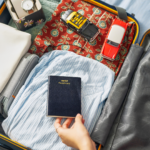
Selecting the right luggage can significantly impact the travel experience. A duffel bag is often preferred for its flexibility and ease of storage. These bags can be compressed when empty and are lightweight, making them ideal for safari conditions.
Packing cubes can help compartmentalise belongings, allowing for a more organised suitcase. They streamline the packing process and facilitate easy access to specific items without rummaging.
It’s essential to create a packing list tailored to safari adventures. This list should include essentials like travel documents, a tent, and a sleeping bag. Keeping these items easily accessible will ensure a smoother experience, especially during transitions between accommodations.